Educational systems designed to serve

There are conversations you never forget. One of them took place just over a year ago, with leaders of school organizations reflecting on the training of their management teams. Their demand was unanimous: it was necessary to move from a purely administrative management style, trapped in daily bureaucracy, toward a pedagogical and collaborative leadership, visionary and rooted in evidence. Shortly after, UNESCO’s 2024-2025 GEM Report confirmed with data what that conversation already sensed: educational leadership is the second most influential school factor on learning, right behind classroom teaching. The lever had been identified. The question was how to pull it.
From that shared concern, a working group was born with Catalan experts from diverse backgrounds: Coral Regí, Miquel Àngel Prats, Pepe Menéndez, Neus Lorenzo, Maria Rosa Buxarrais, Josep Maria Esteve, Montse Jiménez, Anna Jolonch, Jesús Moral. In the first meetings, the idea to create the Leading the School of the Future conference emerged.
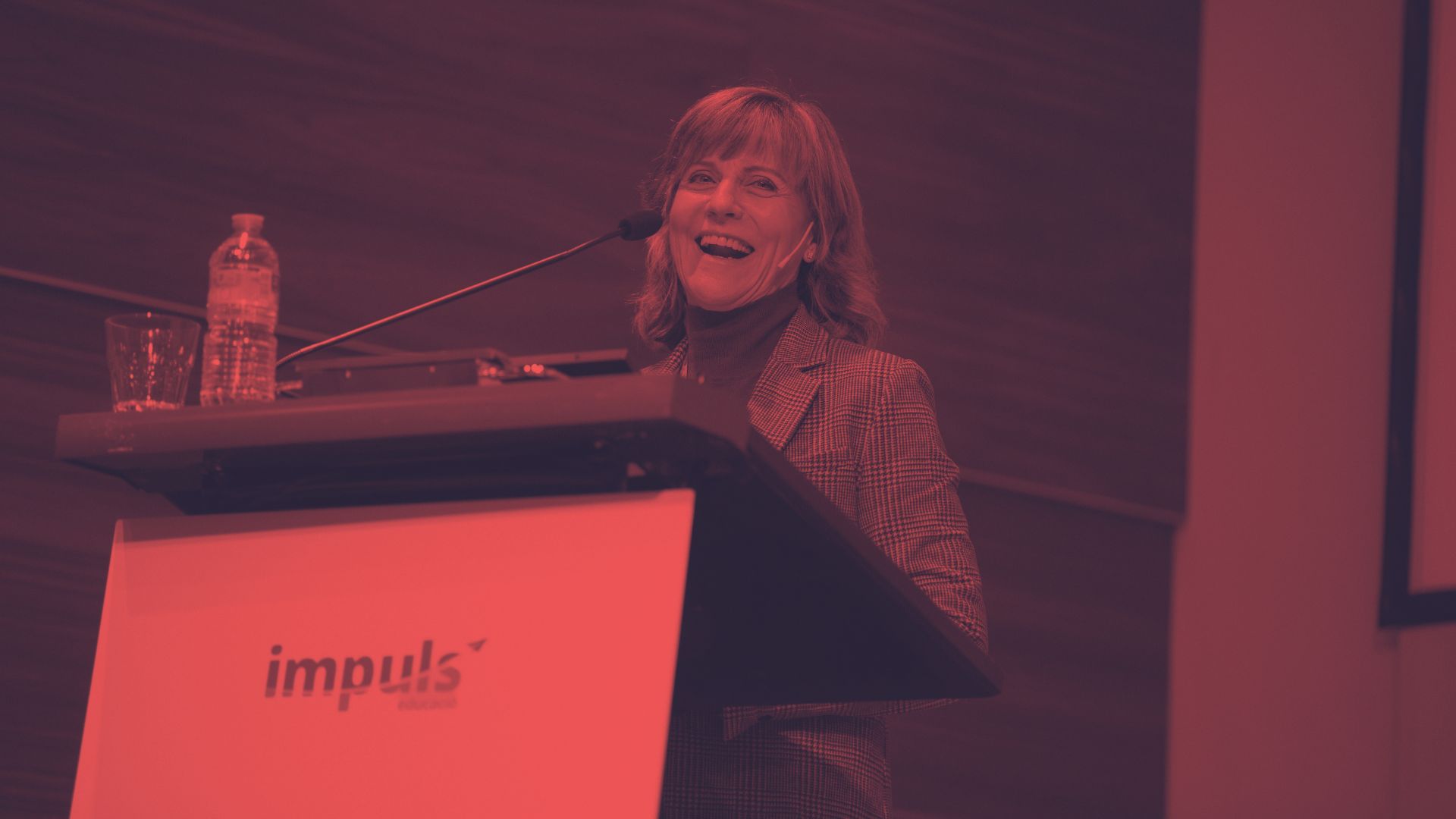
That is how, in February 2026, the first edition of the I Impuls Educació Congress took place, exceeding all expectations, even meteorological ones: a civil alert forced it to move online in a matter of hours. The event opened in the Aula Magna of the UIC, empty of physical bodies but full of digital presences—a paradox with a powerful message: “Leading is also about managing uncertainty, making difficult decisions, and adapting course without losing purpose.” That day, we all put it into practice.
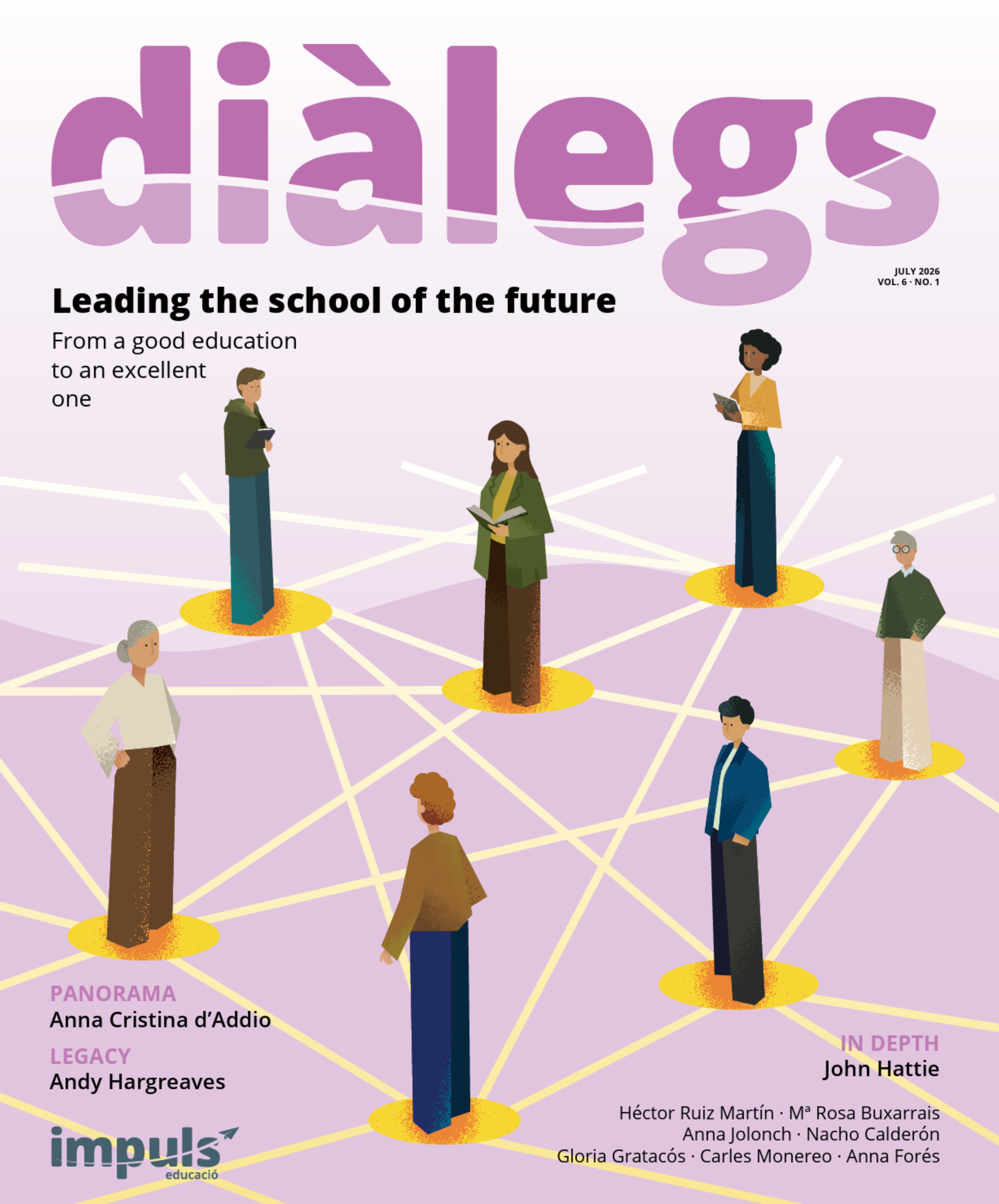
This issue of Diàlegs captures precisely all the voices of this first congress, both national and international, each with a powerful and enriching message that deeply impacted attendees. Andy Hargreaves championed leadership from the middle as the heart of educational change and challenged the systematic failure of top-down reforms. John Hattie brought the backing of 2,500 meta-analyses to propose five key arguments that hold the “magic” to move schools from ordinary performance to excellence. Anna Cristina d’Addio, from the GEM Report, recalled that education does not change with documents: it changes through people. Anna Jolonch reframed a fundamental question—what school for what world—and, alongside Maria Rosa Buxarrais, placed moral purpose at the center of any genuine educational leadership. For Héctor Ruiz Martín, the challenge is to build innovation born from the problem, not enthusiasm, evaluated through scientific criteria, moving from dogma to evidence.
The congress also provided space for debates and roundtables, offering context and analysis of key ideas to foster effective leadership with an ethical and pedagogical vision. Naturally, one of the most exciting highlights was the experience panels, which showcased the high professionalism in transformative leadership across many Catalan schools—this time, not as a theoretical concept, but as a living reality happening in many classrooms today.
Diàlegs july 2026 Vol. 6 · No. 1
Featured Articles
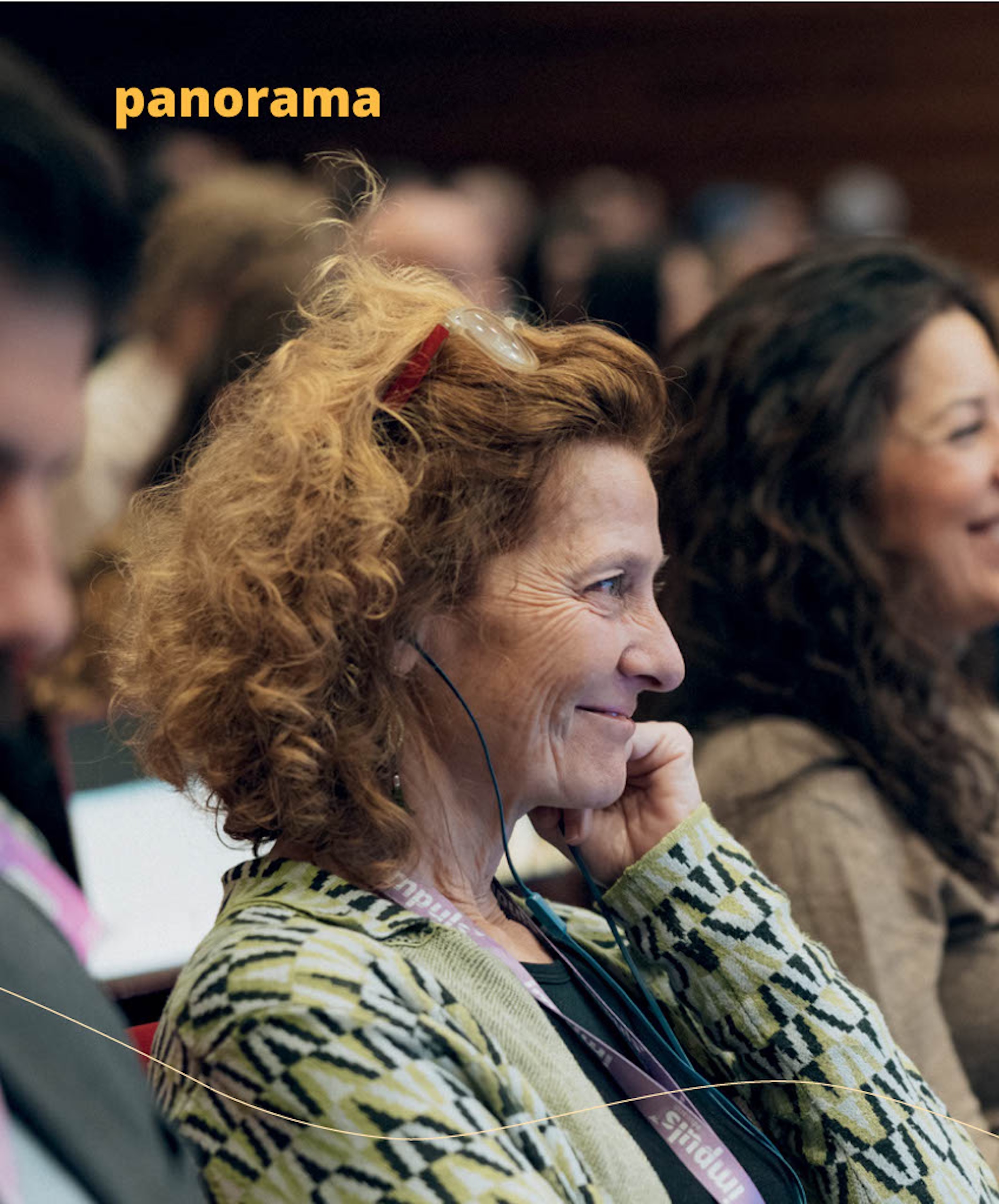
Academic inauguration Anna Cristina d'Addio
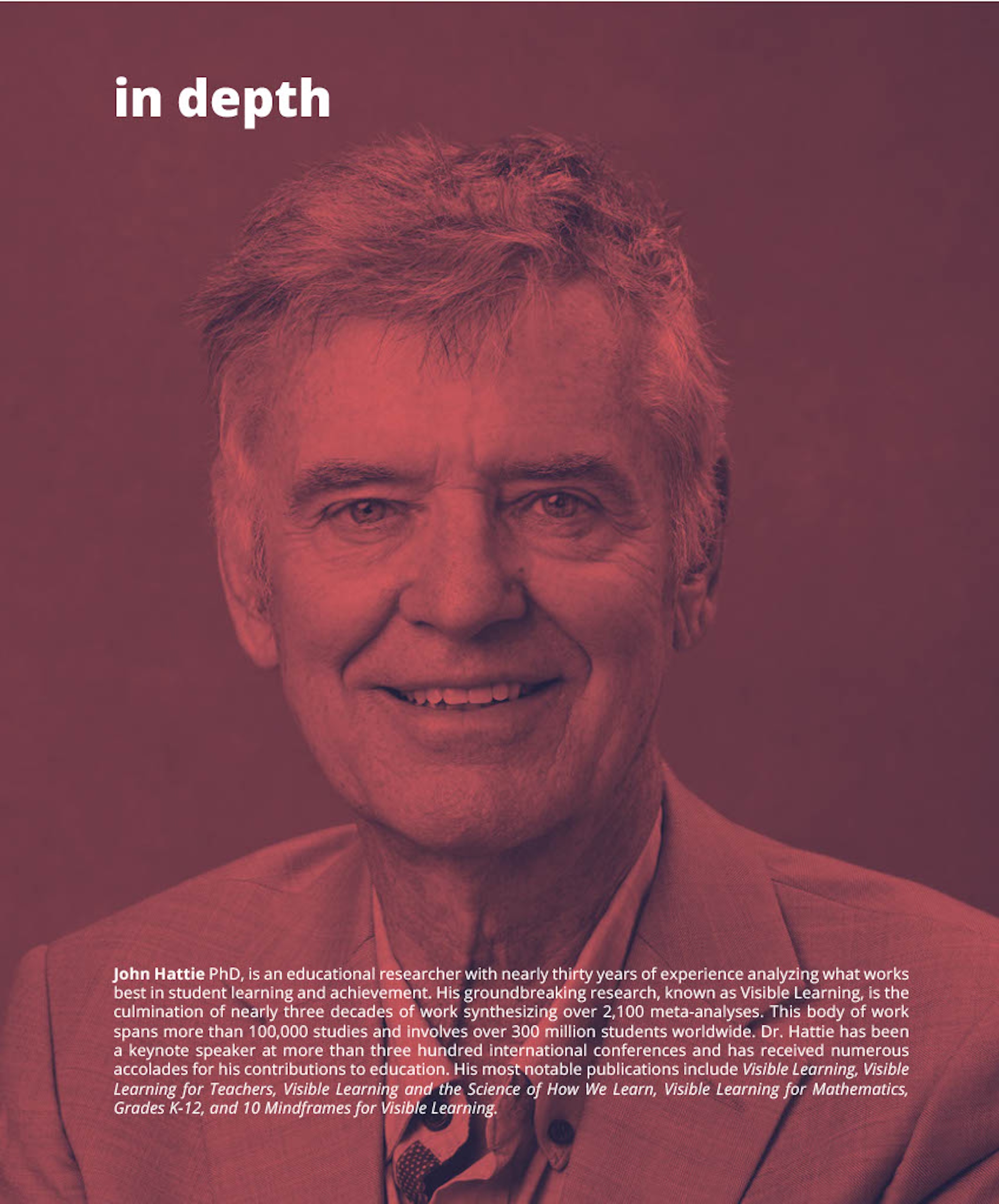
John Hattie’s keynote
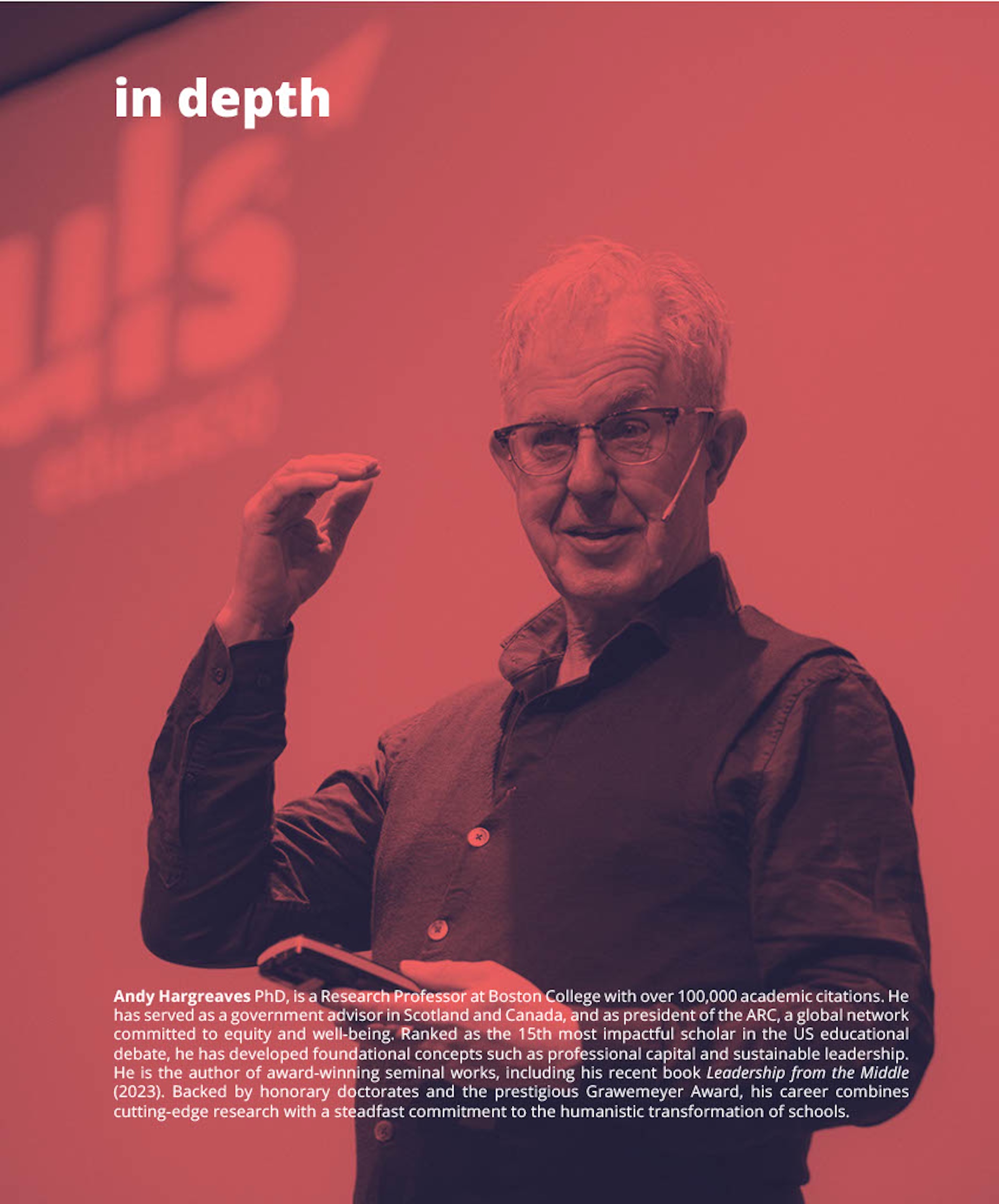
Andy Hargreaves' keynote
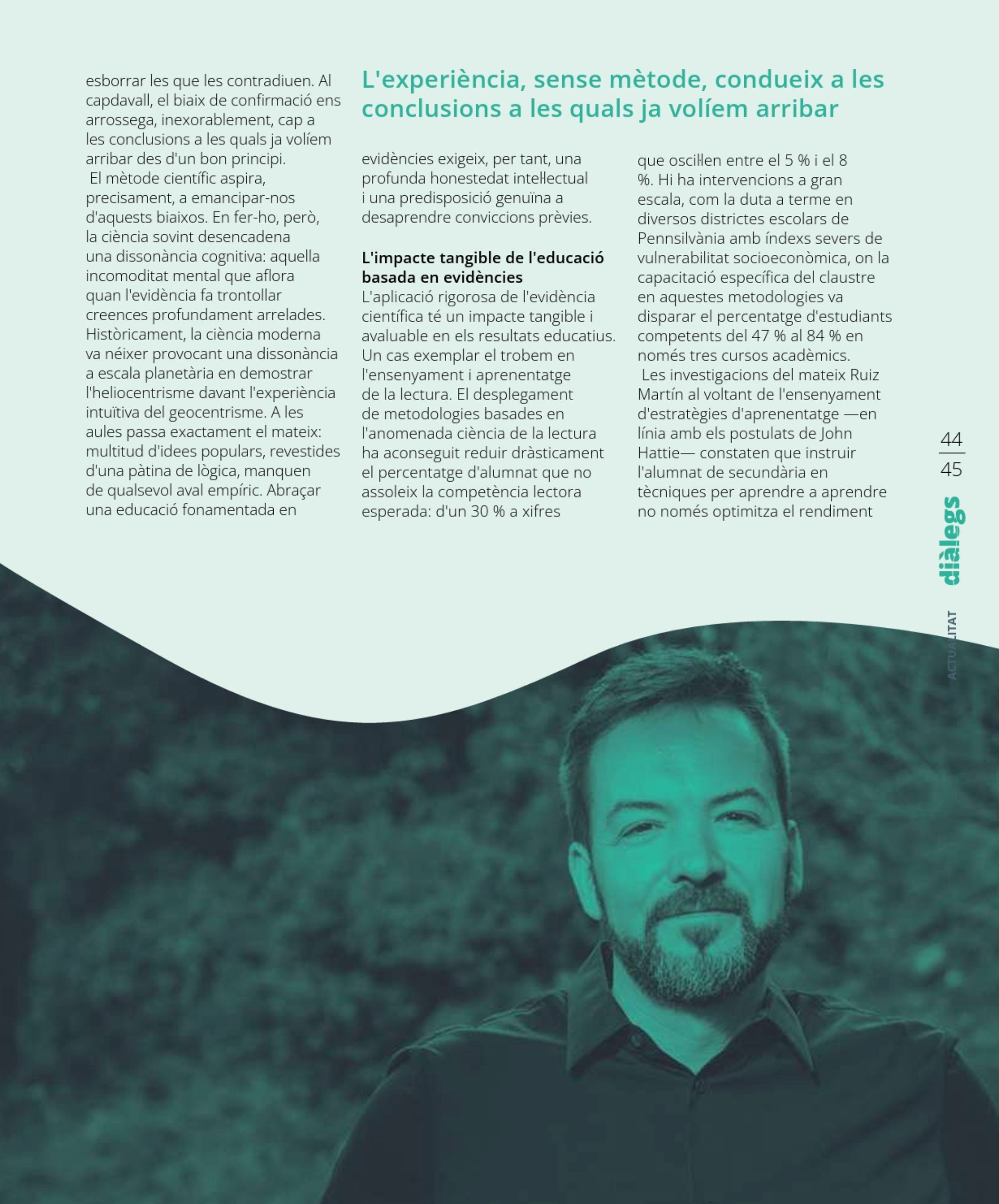
Héctor Ruiz Martín's keynote
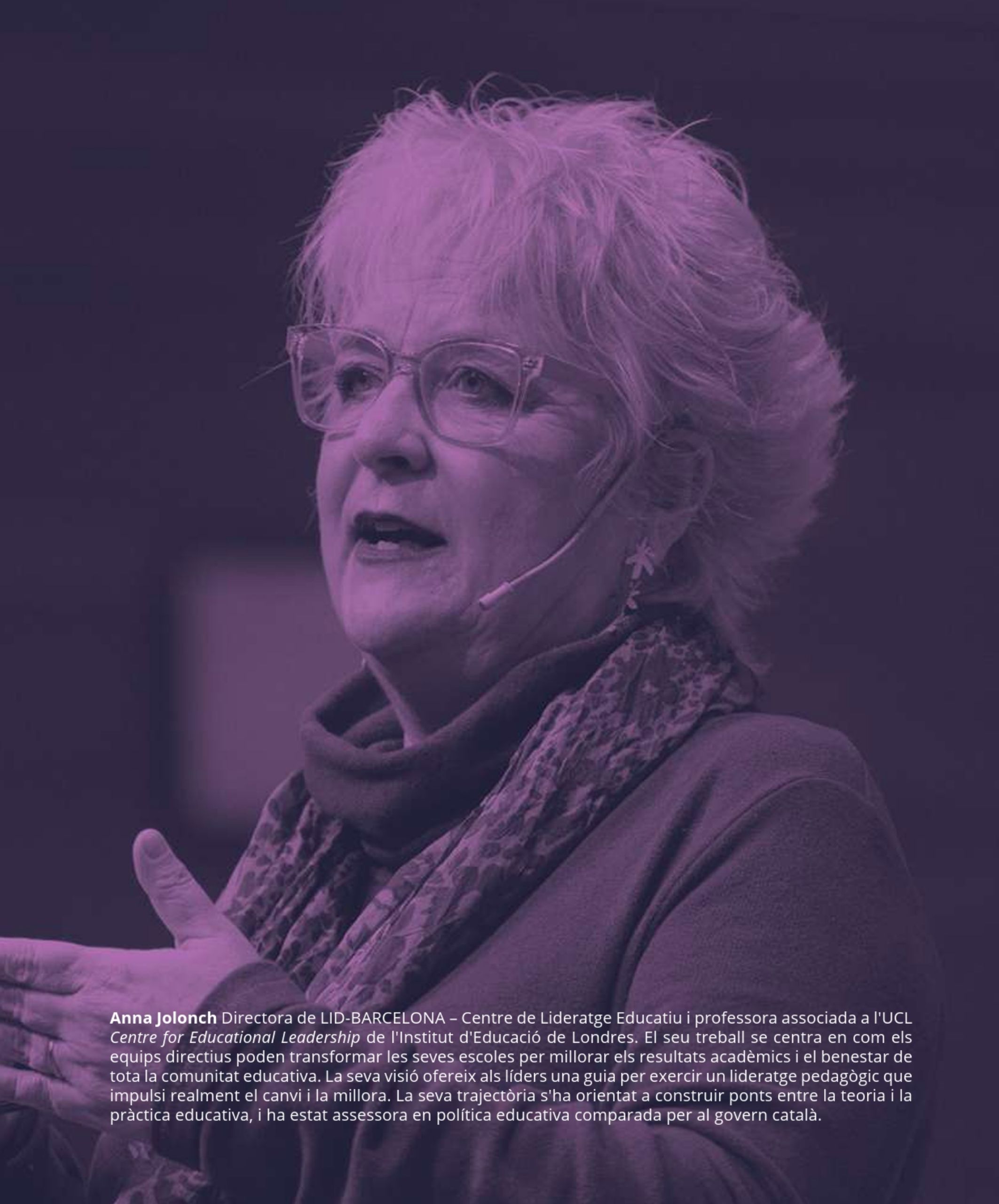
Anna Jolonch's keynote
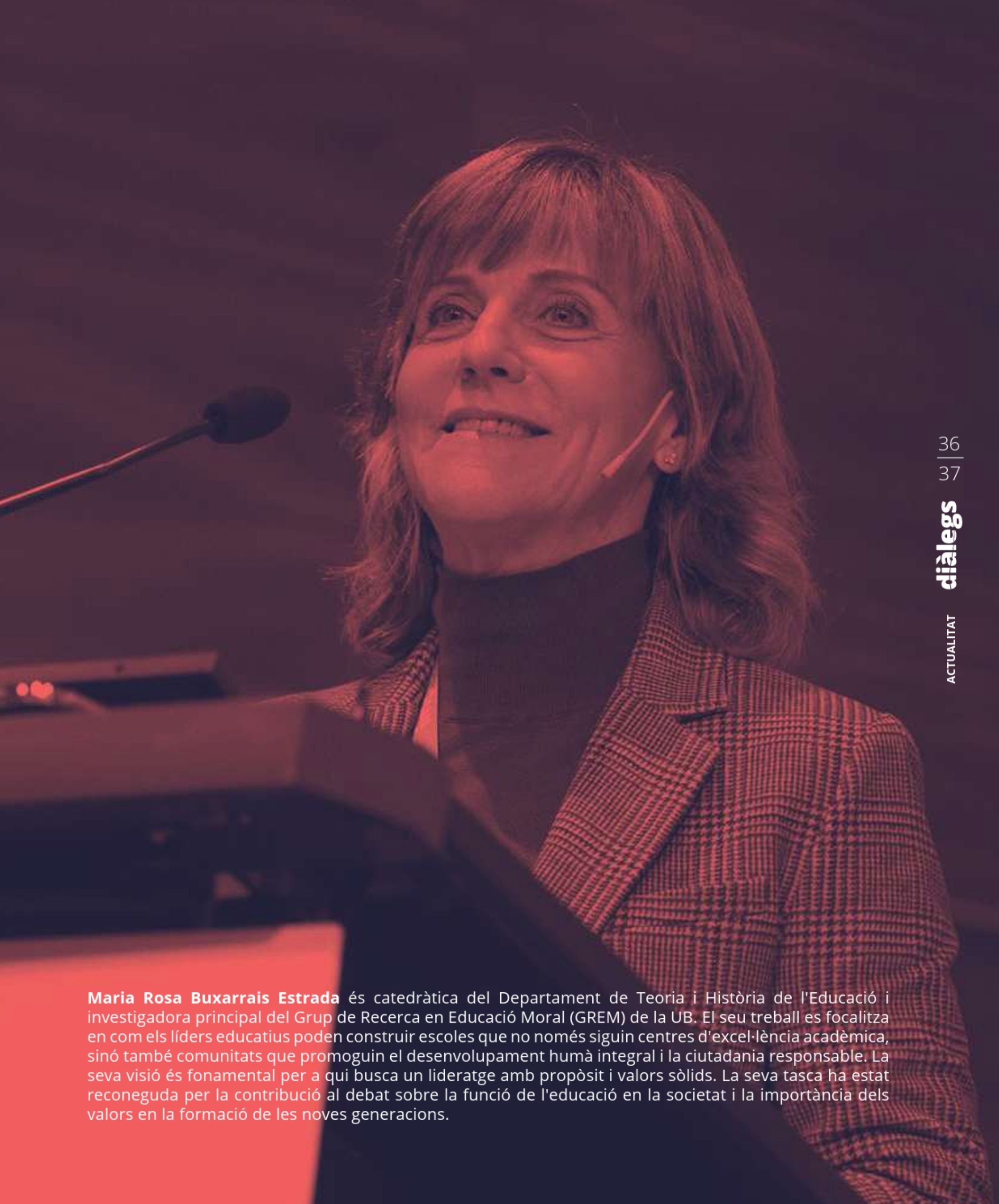
Maria Rosa Buxarrais's keynote
Other Articles
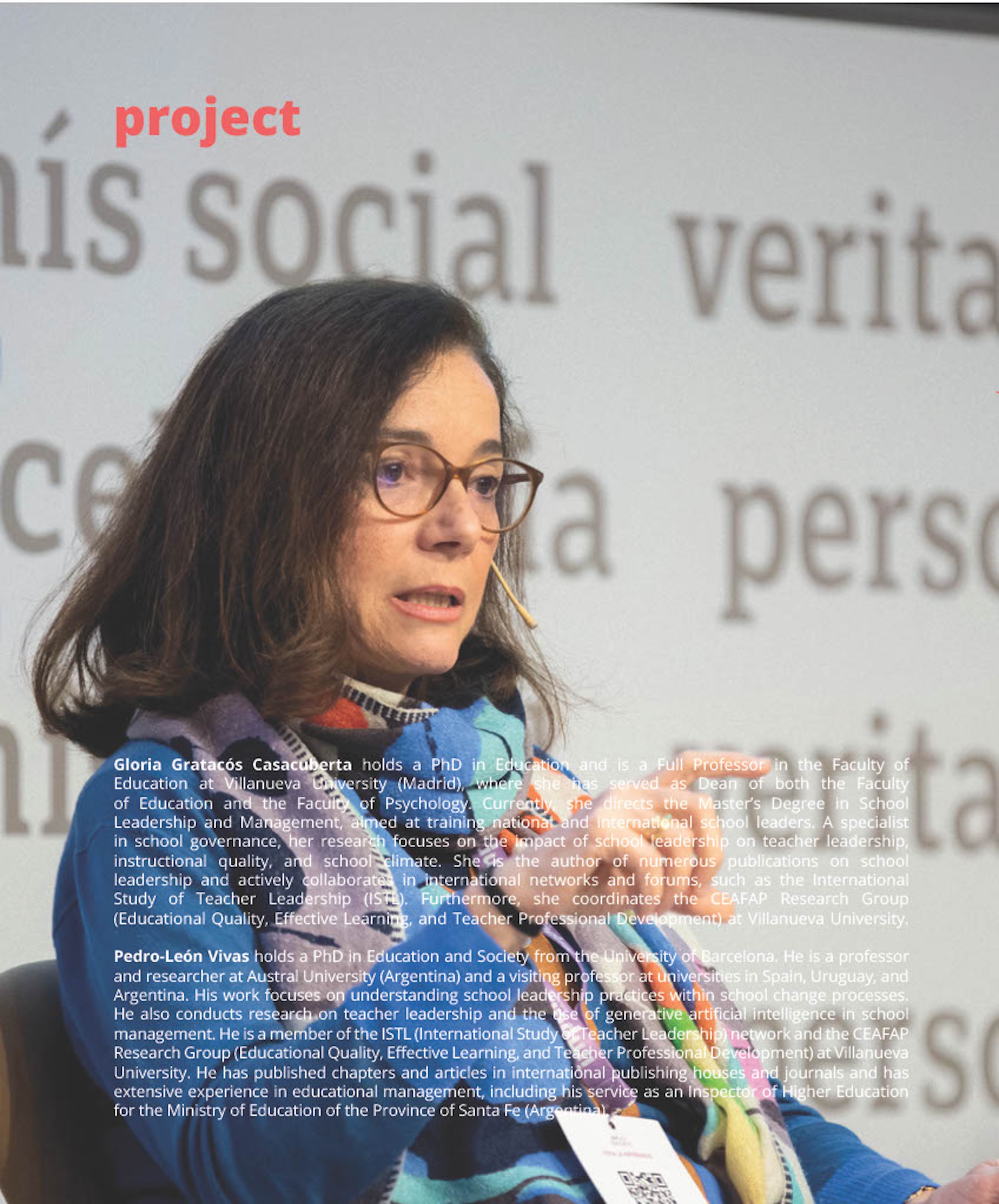
When school leadership sows, teacher leadership blooms
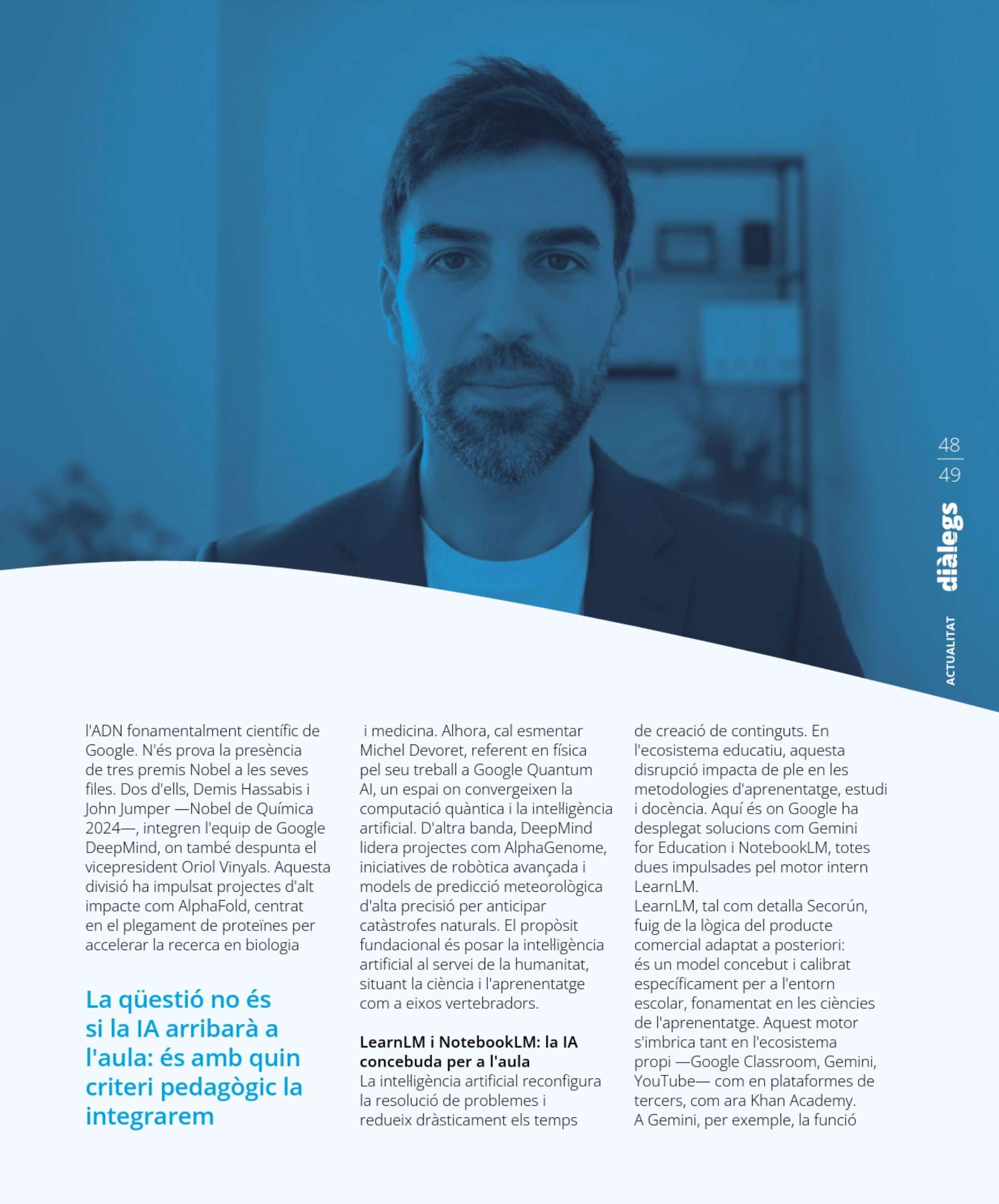
The present and future of AI as a tool for educational quality
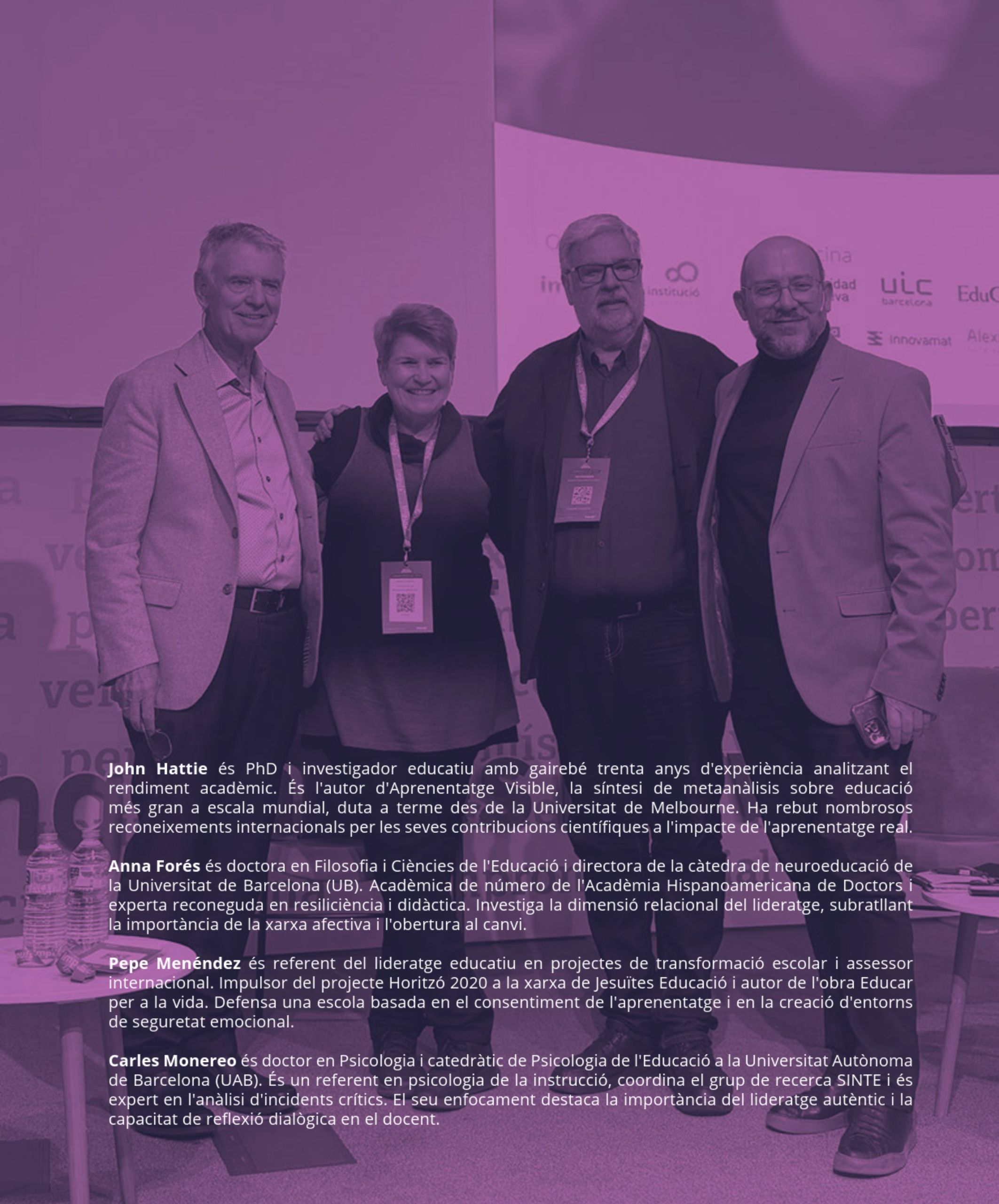
Challenges of leadership for learning
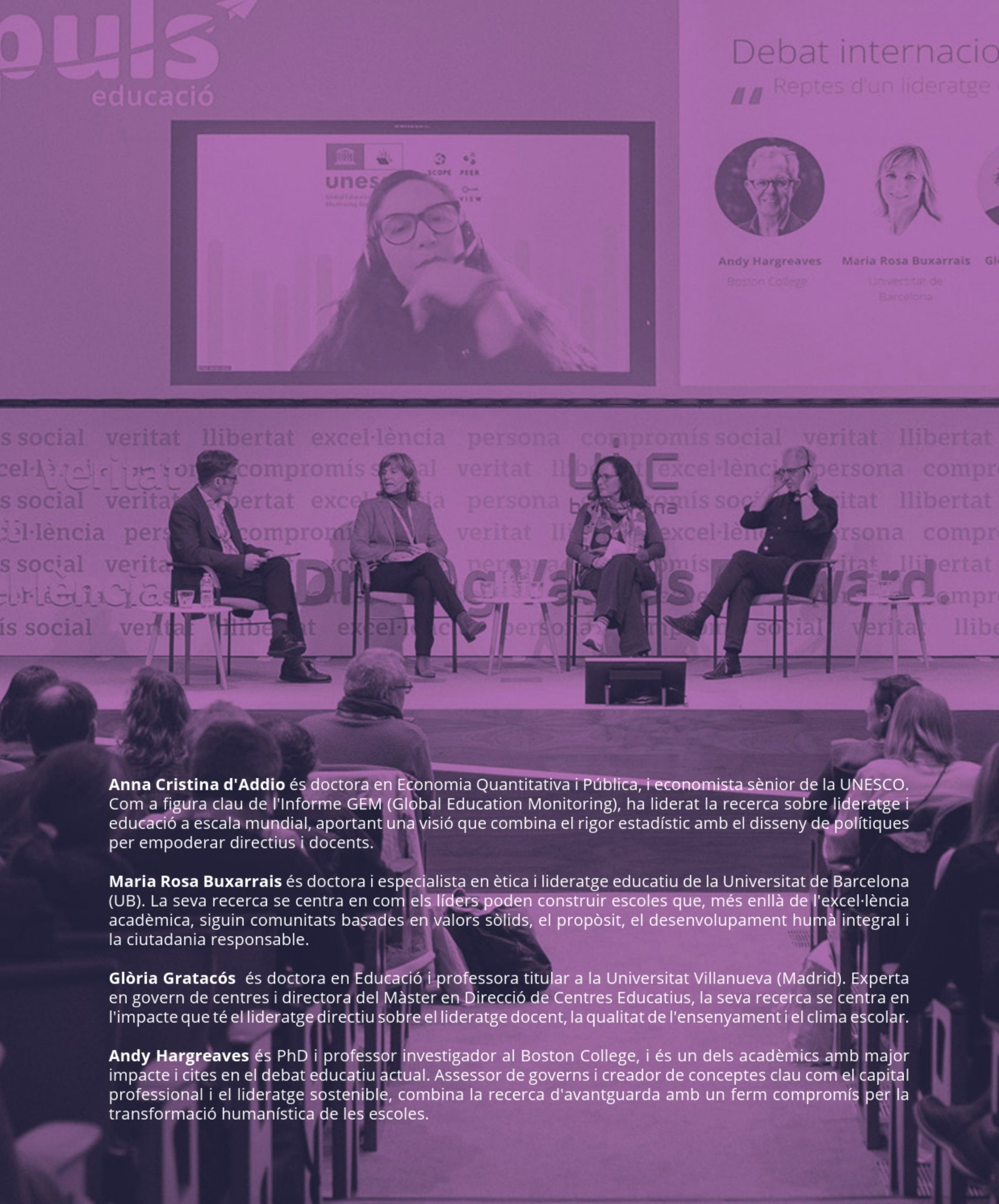
Challenges of sustainable leadership
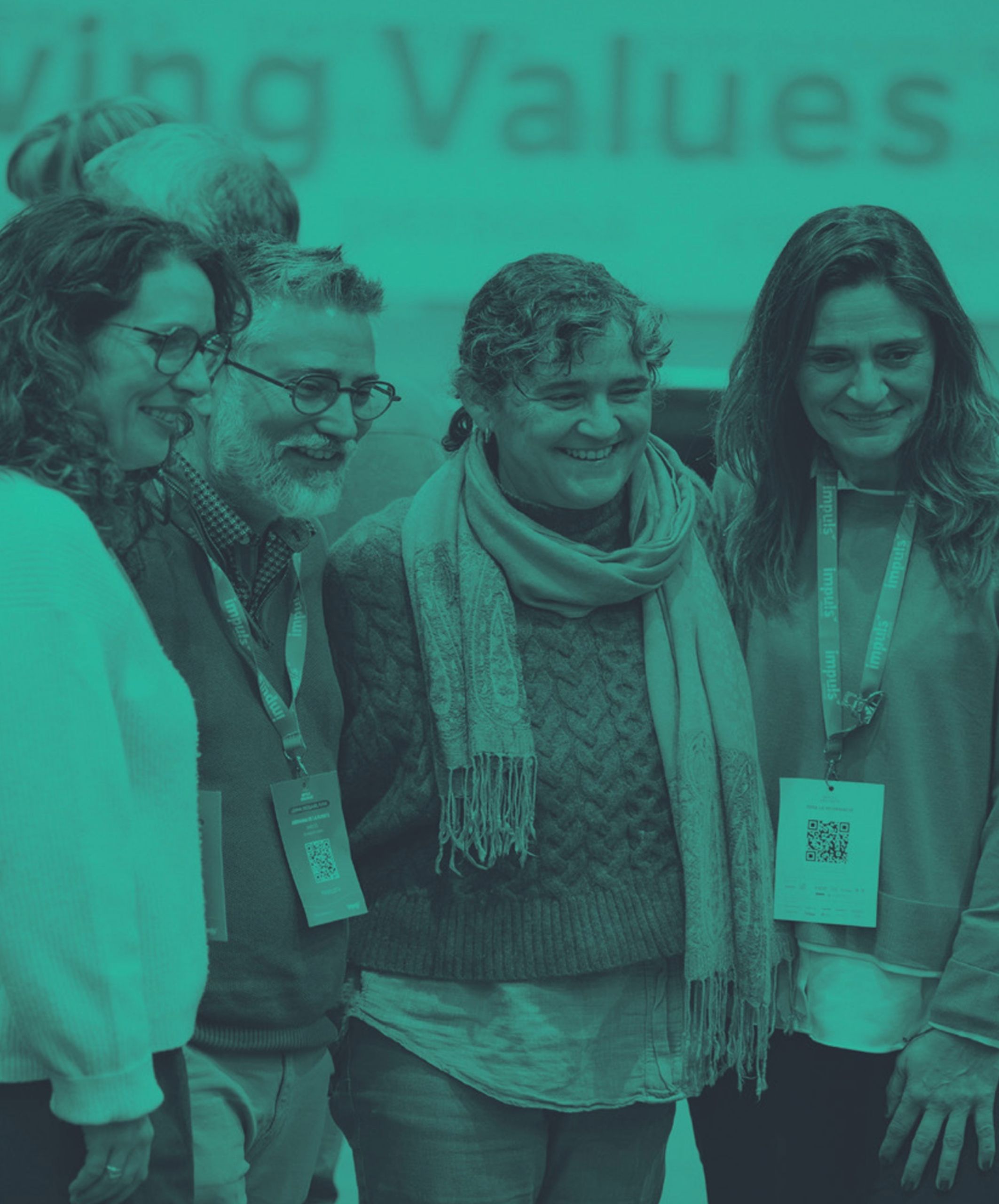
Evidence-informed innovation
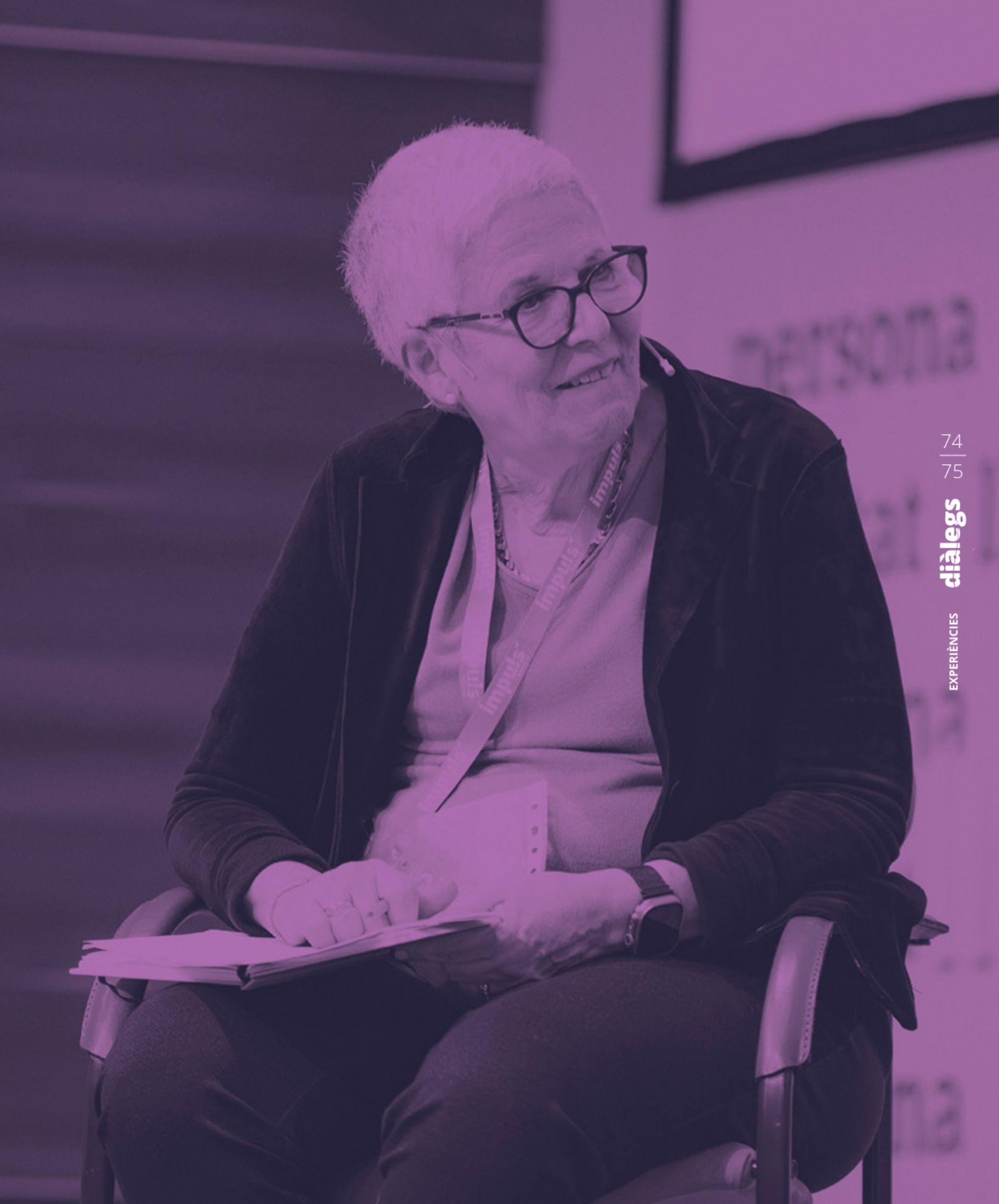
Leadership, vision, and transformation
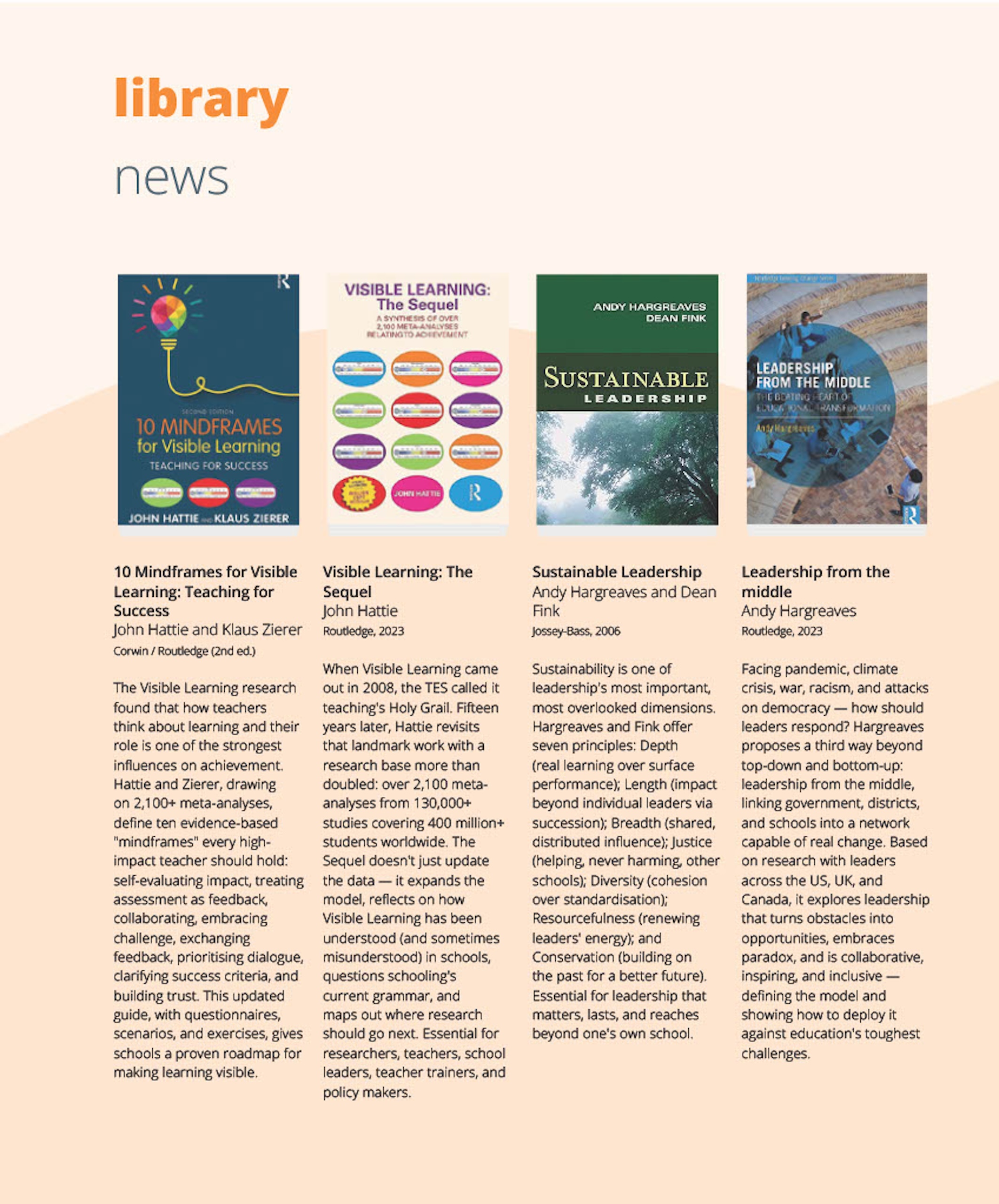
Library
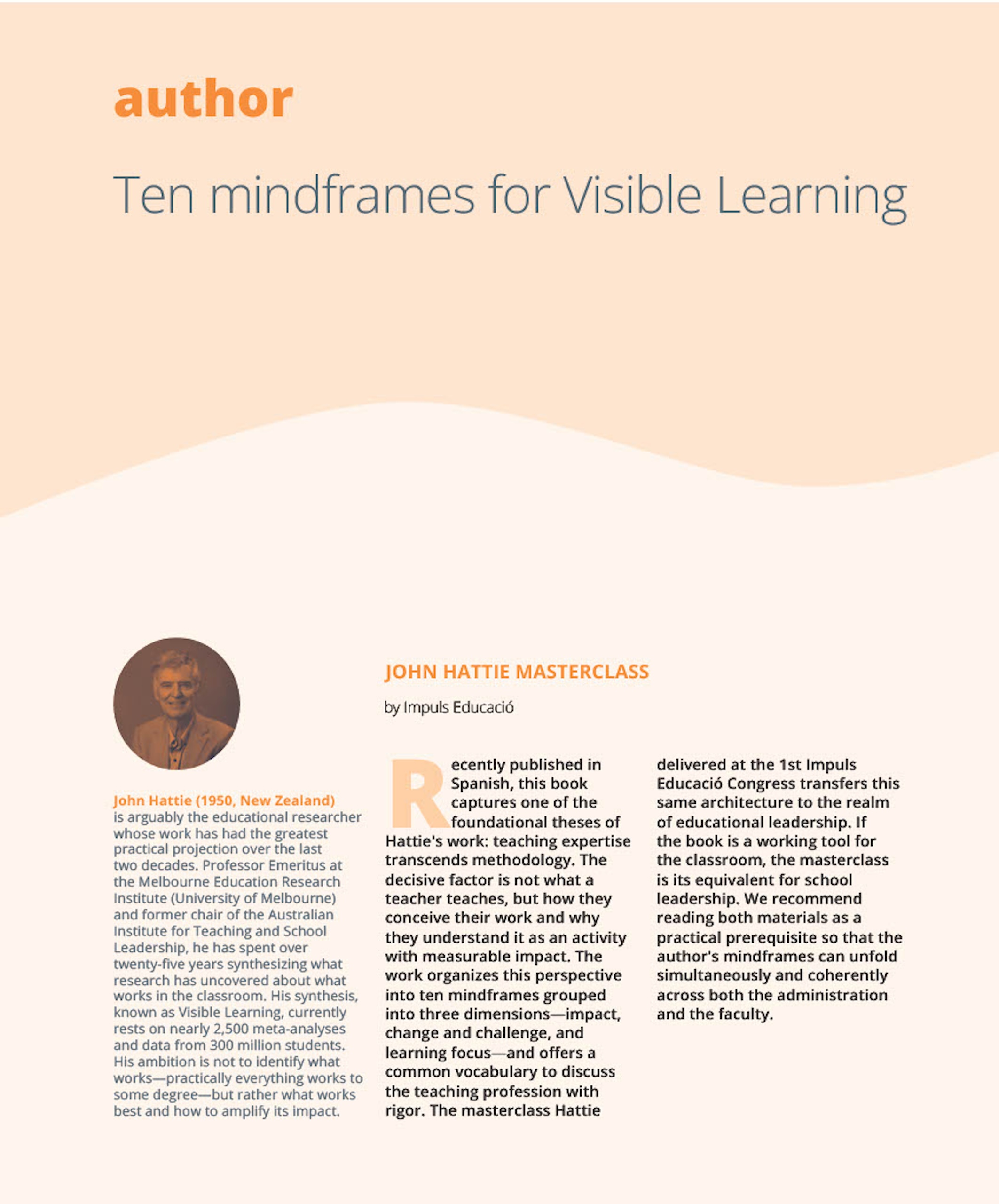
Author John Hattie
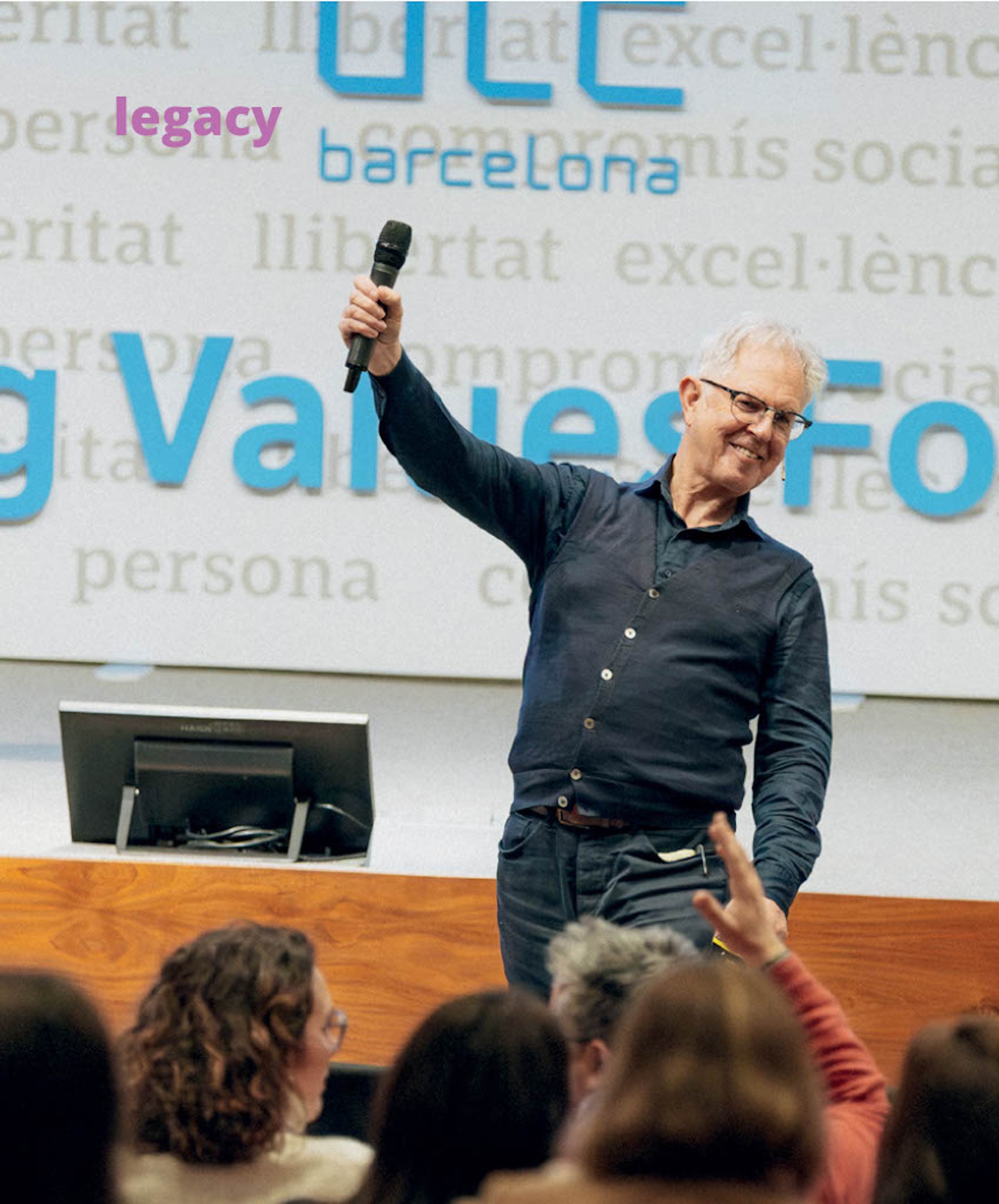
Legacy Andy Hargreves
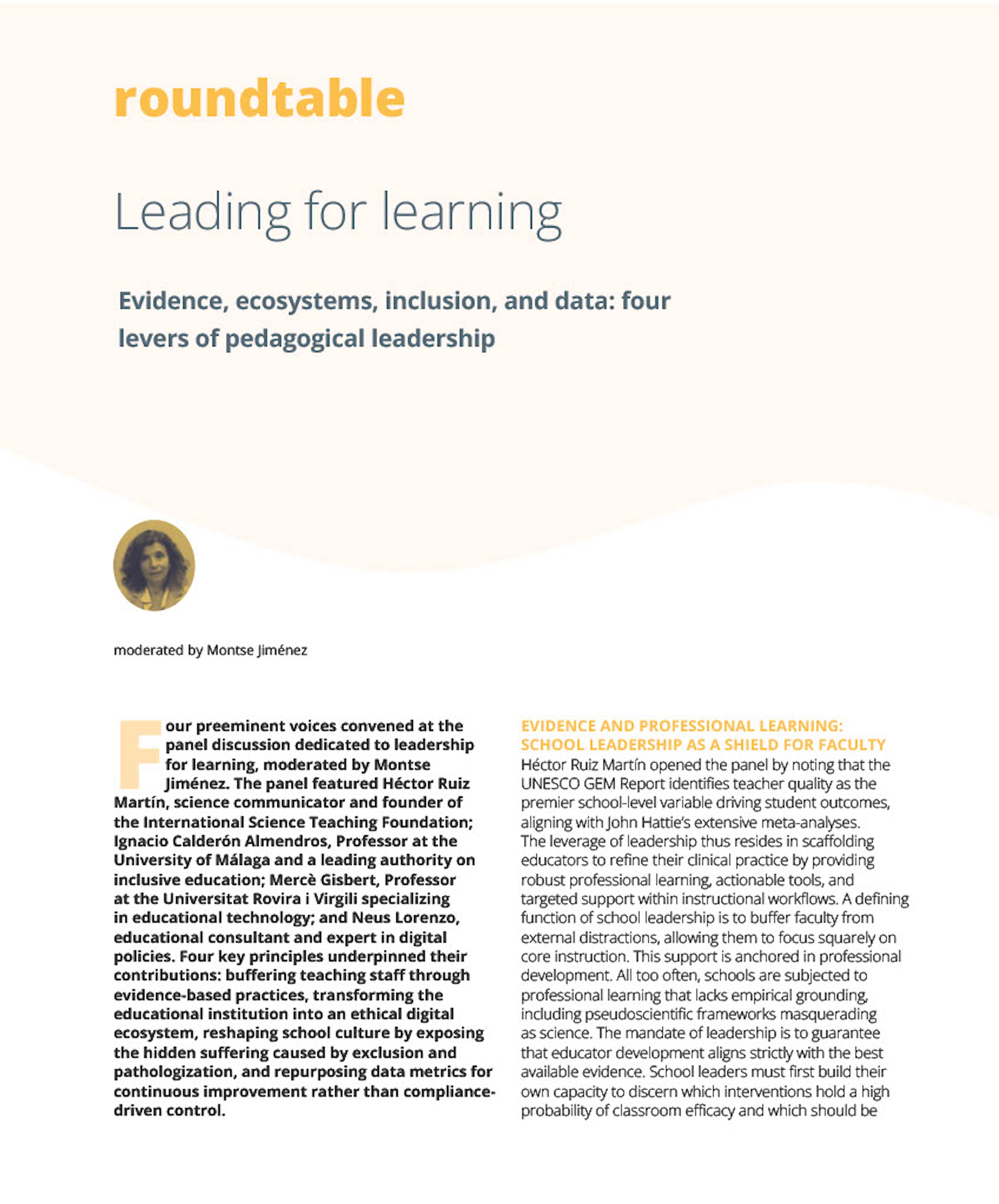
Leading for learning
Effective educational leadership
Diàlegs Numbers