by Impuls Educació
In 2019, the arrival of a new principal at an early childhood education center in Madrid transformed the school’s professional culture by unlocking its latent potential. Documented by the international research group ISTL (International Study of Teacher Leadership) and presented by Gloria Gratacós at the 1st Impuls Educació Congress, this case demonstrates how teacher leadership can revitalize a school when leadership chooses to nurture before making demands, moving beyond the traditional centralized model.
Through the establishment of “expert groups,” the school leadership spearheaded an initiative to examine supportive management practices, pedagogical shifts among teachers, and their positive impact on learning. The ISTL group uses this case study to analyze how teacher leadership is defined, fostered, and sustained across diverse cultural contexts, providing a precise roadmap for school transformation.
Where to Begin? A Clear Diagnosis and a Guiding Question
The intervention initiated with a rigorous baseline diagnosis: a contraction in student enrollment driven by regional demographic declines, intensifying local competition, and an urgent need to modernize instructional workflows. In response, the leadership team formulated a strategic question to guide the entire transformation: how can we accelerate academic outcomes while simultaneously elevating teacher motivation and professional commitment? The framing of this query served as an explicit statement of intent, rejecting the premise that accountability and educator well-being are mutually exclusive, and positioning them instead as inherently symbiotic.
The administration recognized that superficial procedural compliance would not suffice. True optimization demanded a profound cultural shift that repositioned classroom teachers as the primary architects of school improvement. This required migrating from a centralized, principal-centric hierarchy toward a highly distributed model, where pedagogical decision-making was deprivatized and grassroots professional initiative was actively incentivized.
The operational strategy materialized by identifying and leveraging the pre-existing assets of the faculty. As the principal noted: ❝ True leadership development begins by identifying the unique strengths and pedagogical passions of the faculty, using their intrinsic interests as the structural foundation for specialized expert teams. ❞ — The School Principal
The Decisions That Ignited the Engine of Teaching Innovation
Expert groups were engineered as lean, agile teams of educators organized around specific curricular domains. Rather than serving as bureaucratic committees, these groups functioned as autonomous pedagogical laboratories tasked with researching, trialing, designing, executing, and evaluating novel methodological frameworks before scaling them across the entire institution. In this school, they catalyzed targeted innovations in English phonetics, mathematics instruction, socio-emotional learning, psychomotor education, and project-based learning.
Successful implementation required pairing logistical adjustments with a deliberate shift in administrative disposition. The principal first conducted individualized clinical interviews to map the specific motivations, aptitudes, and vocational interests of every educator. This granular diagnostic profile formed the bedrock of the school’s professional development architecture. Central authorities then aligned the school’s macro-curricular priorities with the individual passions of the staff. Researchers isolate this specific intersection as the primary catalyst for the project’s success: teams configured around authentic professional affinity operate from a deep intrinsic motivation that no external compliance mandate or financial incentive could replicate.
To sustain these laboratories, the administration structurally protected dedicated collaboration time within the school week, provisioned teams with material resources and specialized training, and established a non-negotiable cultural baseline: honest instructional mistakes would not be penalized. This psychological safety and robust institutional backing transformed the expert groups into a powerful engine for authentic pedagogical innovation and rapid professional capital growth.
When professional learning networks are anchored in personal affinity and clinical passion, they unlock a level of intrinsic motivation that external compliance mandates can never replicate.

How Expert Groups Renewed Teaching and Activated Teacher Leadership
The introduction of expert groups fundamentally disrupted the school’s legacy operational logic. Educators shifted from passive executors of top-down administrative directives to authentic co-authors of the school’s curricular and pedagogical design. They took full ownership of methodology engineering, content synthesis, and active instructional decision-making.
This paradigm shift was sustained through systematic, disciplined collaborative professionalism. Teachers engaged in continuous, data-informed dialogue regarding their daily practice, deprivatizing their classrooms and co-calibrating didactic strategies. This collaborative workflow enhanced vertical and horizontal curricular alignment across grade levels while cultivating a professional climate rooted in deep relational trust. Internal knowledge-transfer symposia served as the primary mechanism for scaling these insights: each expert group systematically presented its action-research findings, provided practical toolkits, and scaffolded colleagues in adopting the new methodologies, thereby turning individual expertise into collective institutional capital. ❝ The process of researching, piloting, and collectively scaling advanced pedagogical frameworks systematically elevates teacher efficacy, clinical confidence, and professional self-esteem. ❞ — School Teacher
Throughout this iterative process, specific educators naturally emerged as pedagogical experts in their respective fields. They assumed these roles not via formal administrative appointment, but through organic peer recognition of their clinical expertise, commitment, and capacity to mobilize colleagues. This organic evolution represents the precise profile of teacher leadership investigated by the ISTL: informal in its origin, yet exceptionally potent in its systemic scope and influence.
By actively designing the innovations they deployed, teachers developed deep psychological ownership over the school’s evolving charter. Integrating personal strengths into institutional goals infused their daily labor with elevated professional meaning, as reflected in the field data:
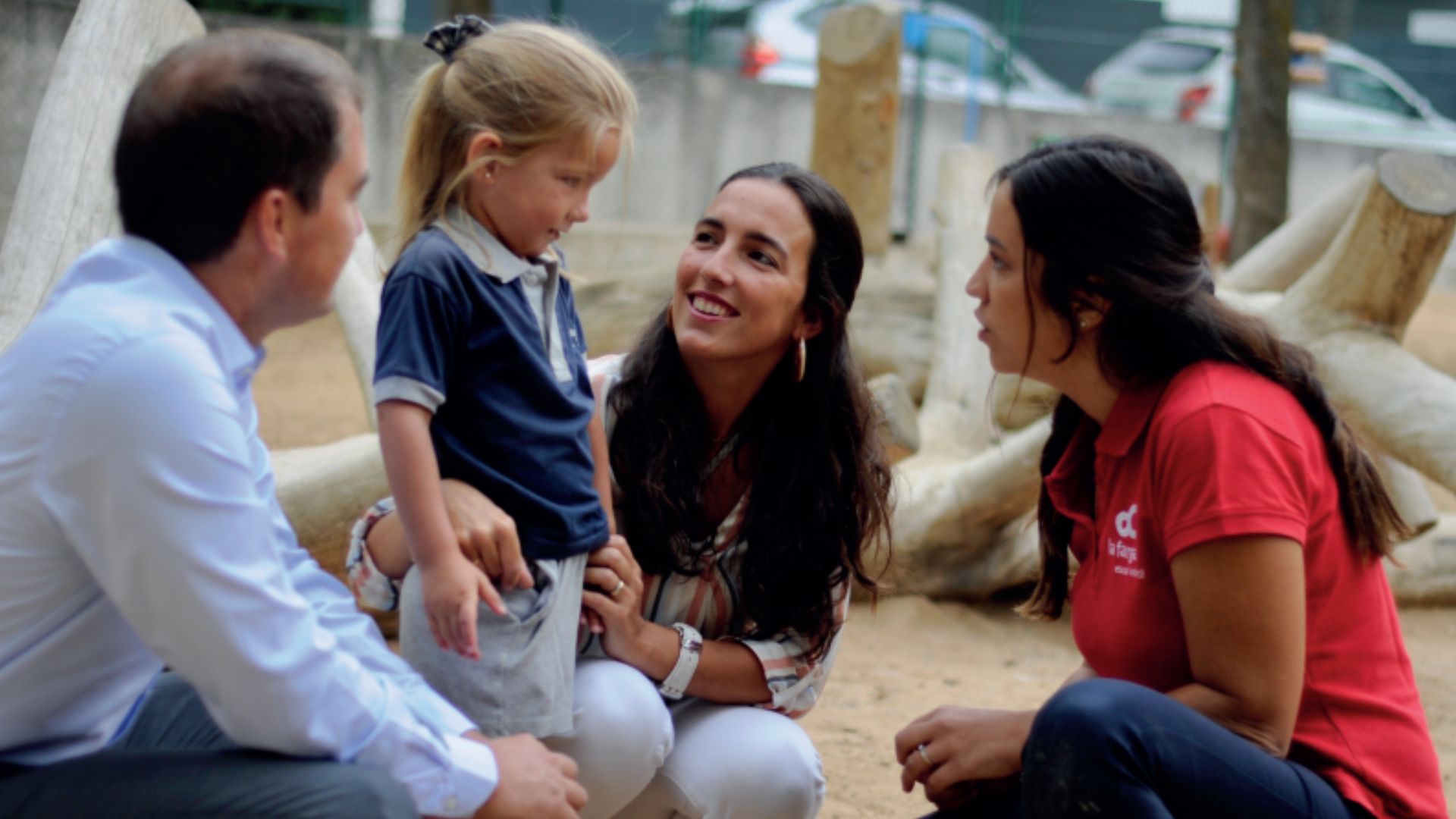
❝ True professional agency occurs when educators feel deeply integrated into the school’s mission, knowing their personal insights are directly driving institutional growth. ❞ — School Teacher
The Impact of Expert Groups on Student Learning
The sophisticated collaboration within the expert groups translated into measurable, observable progress across all target developmental domains. In mathematics, the integration of hands-on, conceptually rich methodologies empowered students to master cognitive milestones that exceeded the faculty’s baseline expectations, unlocking advanced capacities for mathematical abstraction and numerical reasoning rarely documented in early childhood cohorts under traditional frameworks.
In English, a strategic pivot toward systemic phonology, targeted listening comprehension, and proactive verbal expression generated a noticeable surge in student communicative competence, ensuring a seamless, high-attaining transition into primary education. Concurrently, the socio-emotional learning laboratory established early affective awareness and self-regulation protocols, significantly reducing behavioral friction and optimizing the classroom learning climate.
Finally, the widespread deployment of project-based learning boosted intrinsic motivation, positioning young learners as active protagonists in their own inquiries.
This accelerated development caught the attention of families, who reported significant, unexpected cognitive and social progress in their children. Ultimately, the expert group model demonstrates that sustained, job-embedded professional collaboration—when structurally supported by executive leadership—serves as a high-leverage mechanism for maximizing student learning growth.
Leading Together: When Administration and Teachers Form a Single Team
This case study confirms that navigating complex institutional challenges demands a leadership style that rejects centralization in favor of strategic distribution. The school administration did not abdicate its executive authority; rather, it reconfigured it. Management transitioned from top-down monitoring to engineering an ecosystem where frontline educators could execute high-level initiatives grounded in their localized expertise. Executive leadership, viewed through this lens, exerts its greatest impact not through direct command, but by cultivating the structural conditions and psychological safety that activate the collective capacity of the team.
Administrative management alone is fundamentally insufficient to navigate the complexity of contemporary educational demands. Conversely, grassroots teacher leadership lacking institutional scaffolding, structural resources, or alignment with a unified vision quickly leads to widespread professional frustration. Sustainable school improvement requires the deliberate articulation of both leadership vectors working in lockstep.
For executives and practitioners committed to authentic school improvement, the takeaways from this case are highly actionable: audit and identify the latent strengths of the faculty, build the structural conditions required for deep collaborative professionalism, and design explicit mechanisms to convert individualized expertise into shared institutional capital aligned with a common educational vision. While expert groups are not a rigid, universal template, they offer a replicable blueprint of how integrated leadership—where administrative authority and teacher leadership operate as complementary forces—can fundamentally transform an educational institution from within.
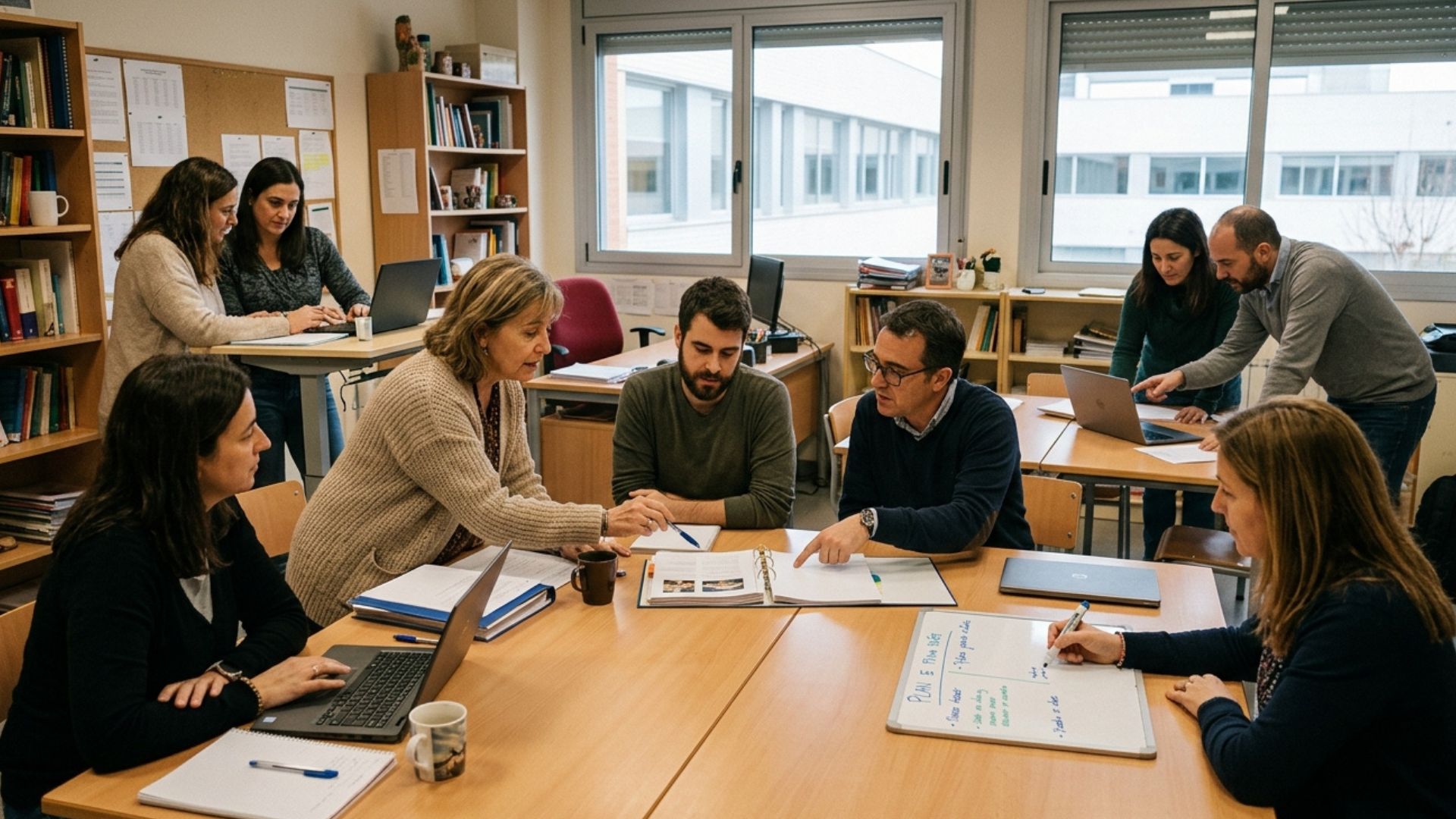
High-impact school leadership exerts its greatest systemic influence not through direct oversight, but by engineering the conditions and cultivating the internal capacities that empower teams to lead.
Lessons Learned from Practice
The ISTL research cohort strongly champions the value of an educational science that originates within live school environments and returns directly to them. When academic research engages deeply with local practitioners, respects school ecology, and seeks to understand the nuanced dynamics of daily routines, it establishes a powerful virtuous cycle: field practice informs theory, and refined theory returns to the classroom to optimize practice.
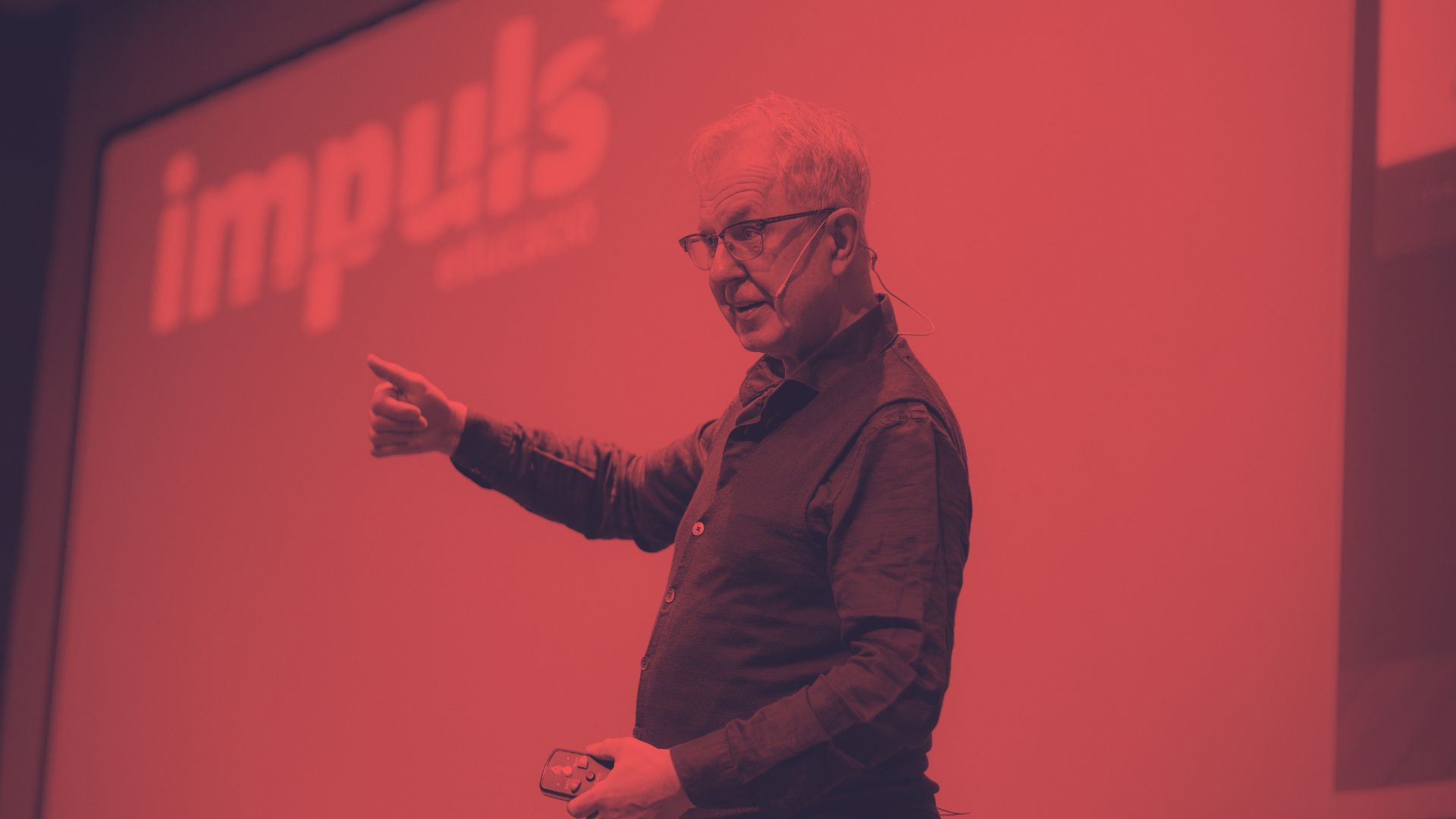
At the 1st Impuls Educació Congress, international authority Andy Hargreaves emphasized the vital importance of deciphering clinical practice from an internal perspective. This case study mirrors that philosophy, making visible an integrated leadership framework that yields concrete dividends for both educator capital and student learning trajectories. The core takeaway is straightforward: if a school house contains teachers with unmapped talents and untapped interests, the first executive imperative is to actively listen to them. The subsequent step is to provide the structural scaffolding required to translate that latent capacity into collective, institutionalized practice. What began as small, localized teams of educators ultimately altered the organizational DNA of an entire school. This is the true promise of integrated educational leadership.
Rate the post
You might be interested