by Impuls Educació
Slashing reading failure from 30% to 5%, or driving literacy proficiency from 47% to 84% within a three-year span in socioeconomically marginalized districts—these are just a glimpse of the tangible outcomes that science delivers when applied with systemic rigor. Héctor Ruiz Martín champions a profound paradigm shift: moving beyond choices dictated by mere tradition or intuition, identifying the cognitive biases that distort professional experience, and anchoring innovation in well-defined problems—rather than blind enthusiasm—while ensuring everything is evaluated through rigorous scientific criteria.
The Medical Mirror: From Dogma to Empirical Research
We now take for granted that medicine is inherently rooted in scientific research; indeed, few would entrust their health to a practitioner operating otherwise. Yet, this empirical bedrock is surprisingly recent: for millennia, medical practice relied almost exclusively on tradition, academic authority, and anecdotal personal experience. This very transition—from dogma to evidence—presents the defining challenge facing education today.
From the standpoint of school leadership and instructional design, the core question is clear: what exactly can science contribute to educational quality?
Medicine transitioned from dogma to evidence; education faces that very same paradigm shift today.

From Babylon to Louis XIV: The Cautionary Tale of Bloodletting
A striking testament to the stranglehold of tradition over evidence is phlebotomy, or bloodletting, a technique deployed since ancient Babylon to treat virtually any ailment. Physicians across eras remained absolutely convinced of its efficacy. In the 17th century, Louis XIV underwent preventive bloodletting so routinely that Molière penned The Imaginary Invalid to satirize the indiscriminate use of a single remedy for opposing pathologies. Academic texts from the period, including those by Professor Guy Patin, Dean of the Faculty of Medicine at the University of Paris, went so far as to laud the practice as miraculous.
It was not until the mid-19th century that physician Pierre Charles Alexandre Louis pioneered an approach revolutionary in its simplicity: empirically verifying the treatment’s efficacy through systematic data collection. By comparing the survival rates of patients who underwent bloodletting against those who did not, his findings were conclusive: patients had a significantly higher survival rate without the intervention.
Yet, even though a single controlled study shed more light than millennia of authority-based dogma, resistance to change was monumental—bloodletting persisted in some regions until the Second World War. This trajectory illustrates how a discipline rooted in art and technique can leverage science to isolate best practices without sacrificing its human, professional dimension.
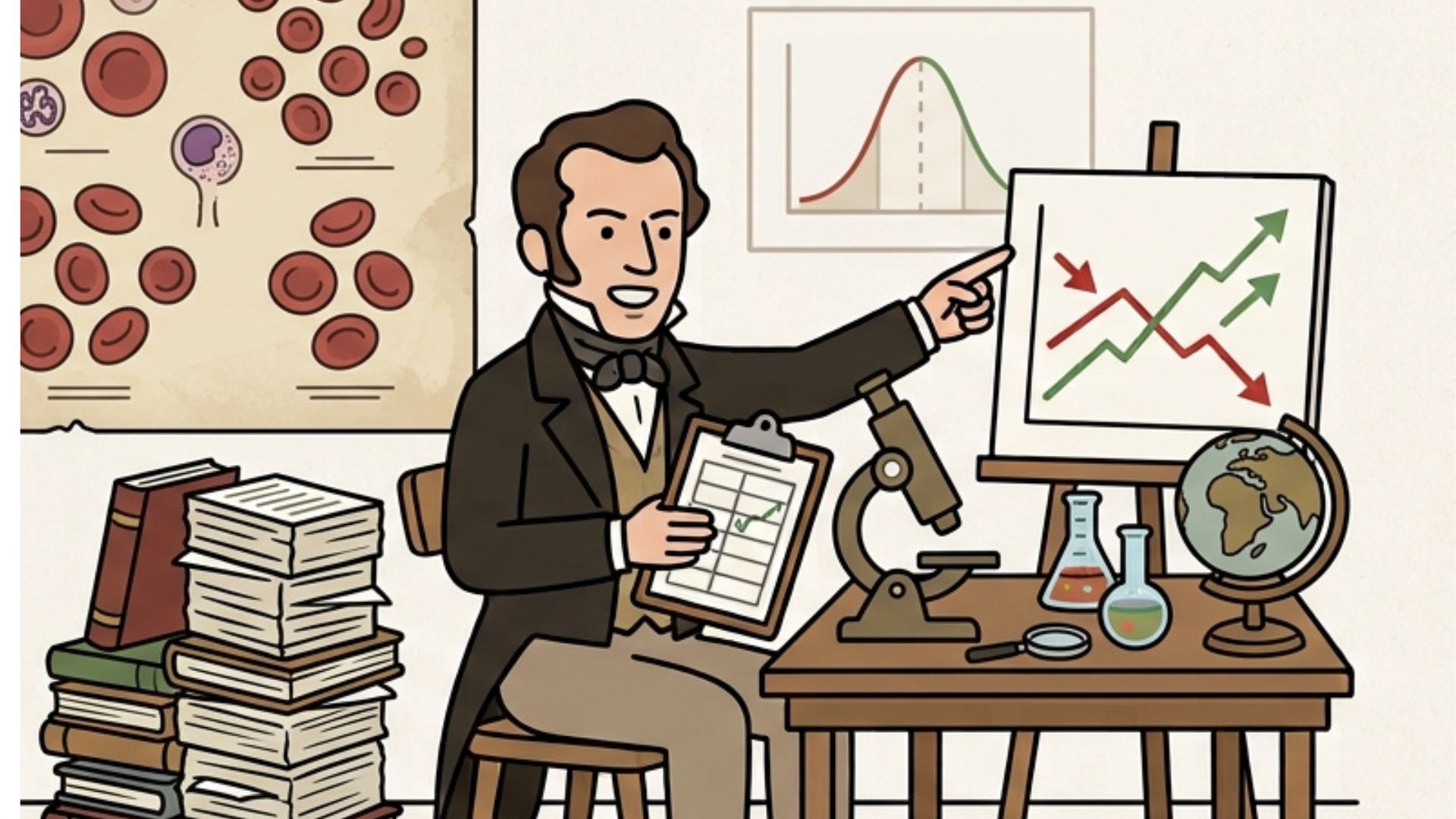
Bloodletting persisted into the Second World War. Cognitive resistance routinely coexists with empirical evidence.
Probability vs. Determinism: Science within Complex Systems
Within educational circles, skeptics frequently question the feasibility of the scientific method, citing the dizzying array of variables converging in a single classroom. Yet, modern science has skillfully navigated multivariable systems for decades. Its exact purpose is to isolate which variables truly dictate outcomes—a feat that far exceeds the analytical limits of human experience alone.
Crucially, empirical science does not offer deterministic answers; it provides probabilistic ones, much like meteorology. Science reduces uncertainty; it does not manufacture absolute certainties. When educational research compares two instructional methodologies, it indicates which one yields a higher probability of success. Because learning hinges on interconnected factors, an individual student’s success or failure under a specific method does not invalidate macro-evidence. The decisive task for leadership is discerning whether students are flourishing because of the applied methodology or, rather, in spite of it.
The Boundaries of Science and the Fragility of Experience
Science, like any epistemological framework, has inherent limitations: it cannot answer every question education poses. Deciding what overarching goals a school system should pursue or what curriculum to mandate falls squarely within the realms of politics, philosophy, and ethics, not empirical research. However, once a community democratically establishes an objective—such as ensuring every child achieves reading proficiency—science can provide rigorous, roadmap-grade guidance on how to actualize it.
Faced with these limitations, the alternative—basing institutional decisions solely on personal history, tradition, or intuition—presents far more dangerous deficiencies. Professional experience holds undeniable value, but it is perpetually vulnerable to cognitive biases. These biases are hardwired neural mechanisms that systematically distort our perception, memory, and interpretation of reality.
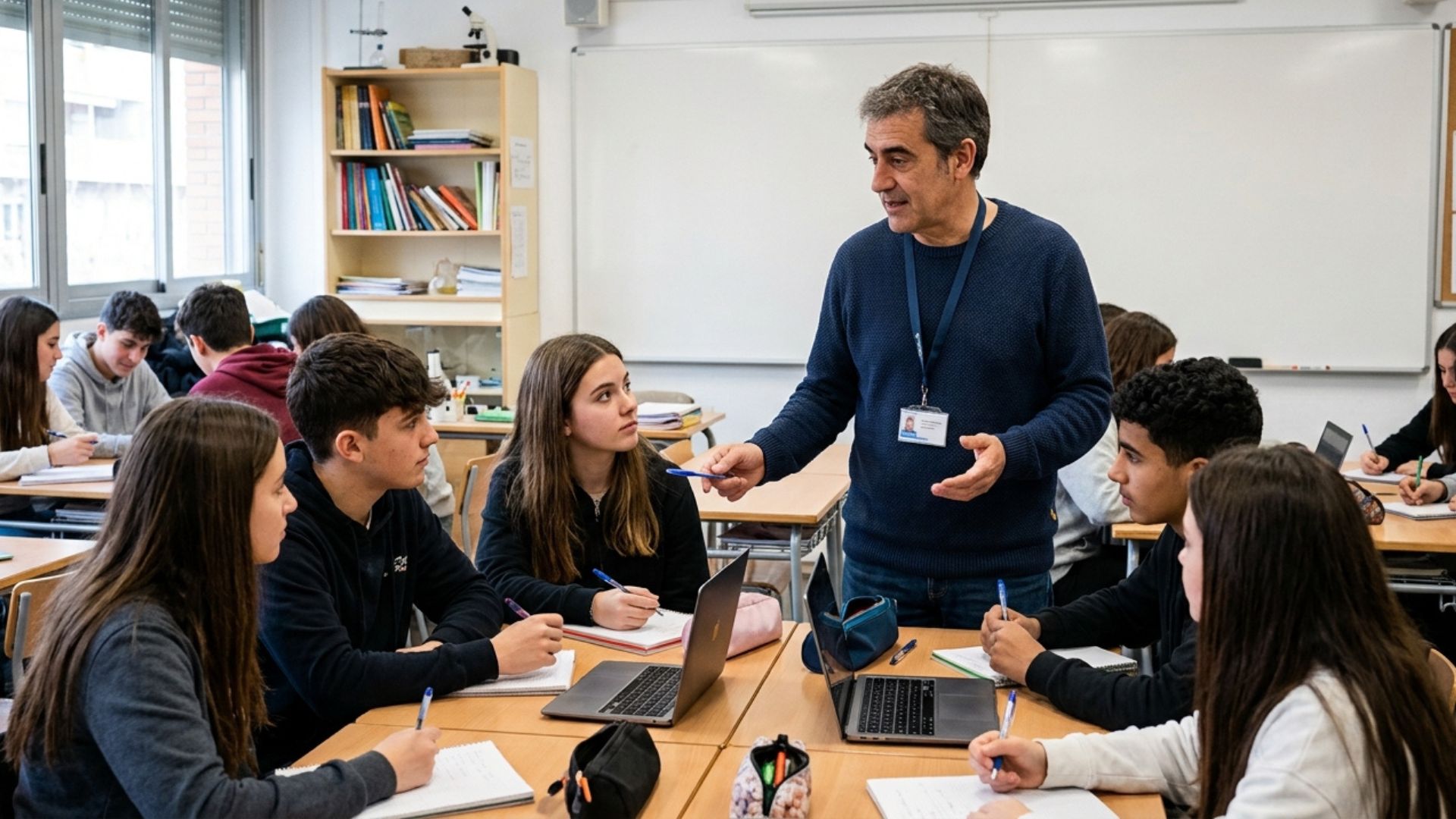
The defining question for leadership: are students learning because of our methods, or in spite of them?
Confirmation Bias and Cognitive Dissonance
The human brain does not passively record sensory data; it actively reconstructs it. This explains perceptual illusions, where physical reality diverges from visual experience. Beyond basic perception, confirmation bias operates heavily in professional settings. It is the subconscious tendency to notice, interpret, and recall information in ways that validate our preexisting beliefs and expectations.
It conditions what we pay attention to, how we interpret student outcomes, and which memories we retain. In practice, it causes educators and school leaders to vividly remember instances that validate their initiatives—such as a heavily championed innovation—while neatly forgetting data that contradicts them. Ultimately, unmonitored experience leads inexorably to the very conclusions one wished to reach from the outset.
The scientific method serves precisely to liberate us from these psychological traps. In doing so, however, it frequently triggers cognitive dissonance—the acute psychological discomfort that arises when hard evidence clashes with deeply held convictions. Historically, modern science was forged by provoking massive dissonance when heliocentrism shattered the intuitive, everyday experience of geocentrism. The same friction occurs in education: many popular, intuitive practices lack empirical backing. Embracing an evidence-informed model thus demands radical intellectual honesty and a genuine willingness to dismantle prior certainties.
Science does not answer everything, yet choices guided by mere tradition and intuition harbor far greater perils.
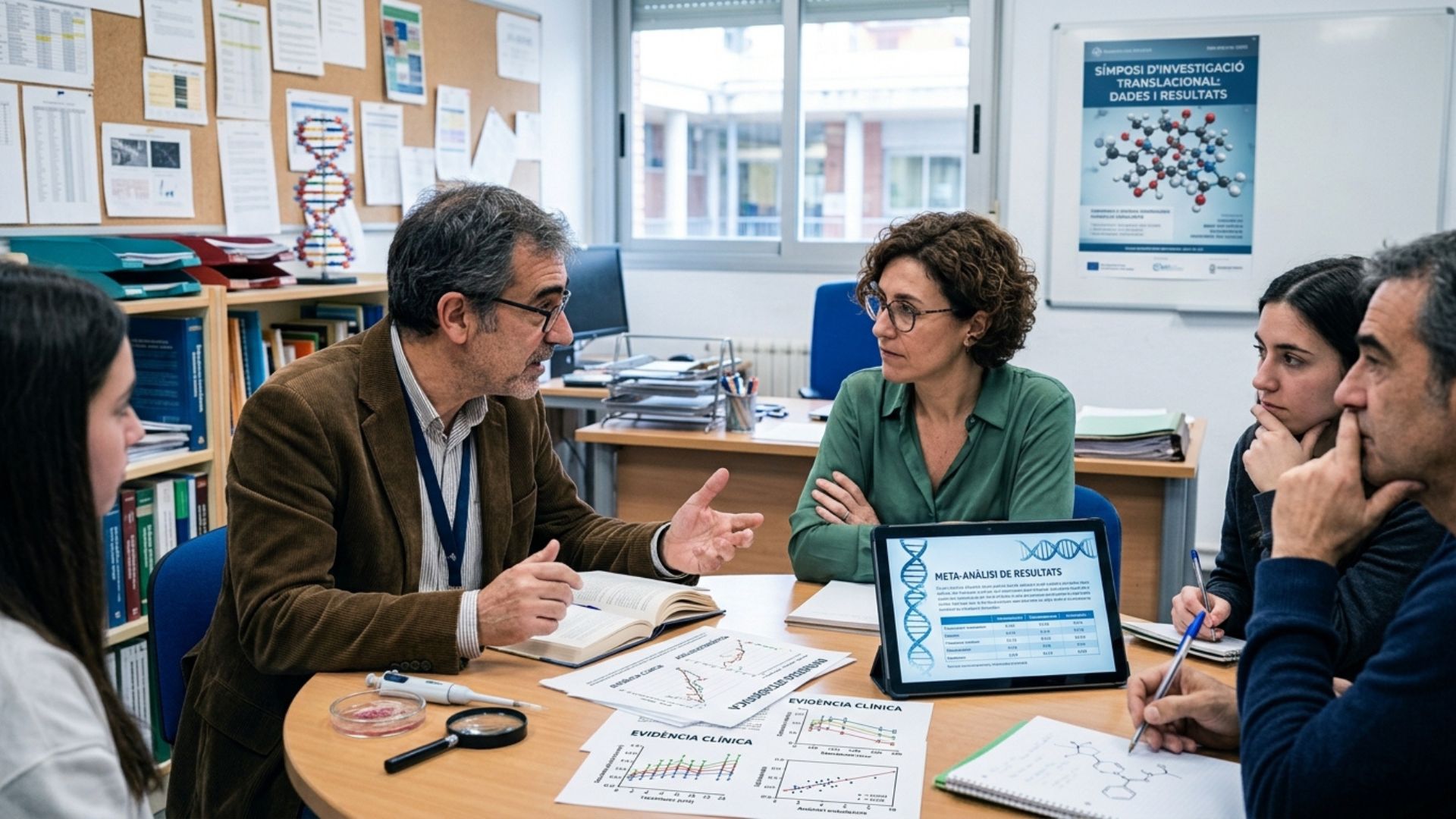
The Quantifiable Impact of Evidence-Informed Classrooms
The systematic application of scientific insights yields demonstrable breakthroughs in student outcomes. Case in point: literacy instruction. Implementing methodologies anchored in the Science of Reading has dramatically shrunk student failure rates from 30% down to margins between 5% and 8%. Consider the large-scale turnaround in several socioeconomically marginalized districts across Pennsylvania: by training teachers deeply in these evidence-based frameworks, proficient reading rates skyrocketed from 47% to 84% in just three years.
Similarly, Ruiz Martín’s own research on metacognitive strategies—aligning with John Hattie’s synthesis—demonstrates that explicitly teaching secondary students learning-to-learn techniques does more than boost short-term exam scores; it fundamentally enhances the long-term durability of knowledge.
Redefining Innovation: Grounding Enthusiasm in the Problem
Paradoxically, robust research rarely reaches the frontlines of classrooms, a disconnect that severely undermines innovation. Within school ecosystems, innovation is routinely conflated with creativity, novelty, or tech-driven development, all too often sidelining its most vital anchor: the problem. Innovation must never become an end in itself, nor should it spring from ad-hoc brainstorms or faddish trends, however well-intentioned. Instead, it must emerge disciplined from the urgent need to solve a specific, diagnosed challenge.
When designing an innovative initiative, leadership must mandate three non-negotiable questions: what exact problem are we trying to solve, how will we rigorously evaluate the outcomes, and what empirical evidence justifies this specific intervention? The innovation cycle must mirror a scientific posture: establishing a clear baseline, conducting an initial diagnostic assessment, deploying the evidence-based intervention, and evaluating the data with methodological rigor. If outcomes fall short, leaders must resist confirmation bias at all costs—such as retrofitting objectives ex post facto to justify capital expenditure—and instead use the data to transparently pivot.

Driven by the Science of Reading, literacy proficiency in vulnerable Pennsylvania districts surged from 47% to 84% in three years.
Pseudoscience and Neuromyths: The High Cost of Misdirection
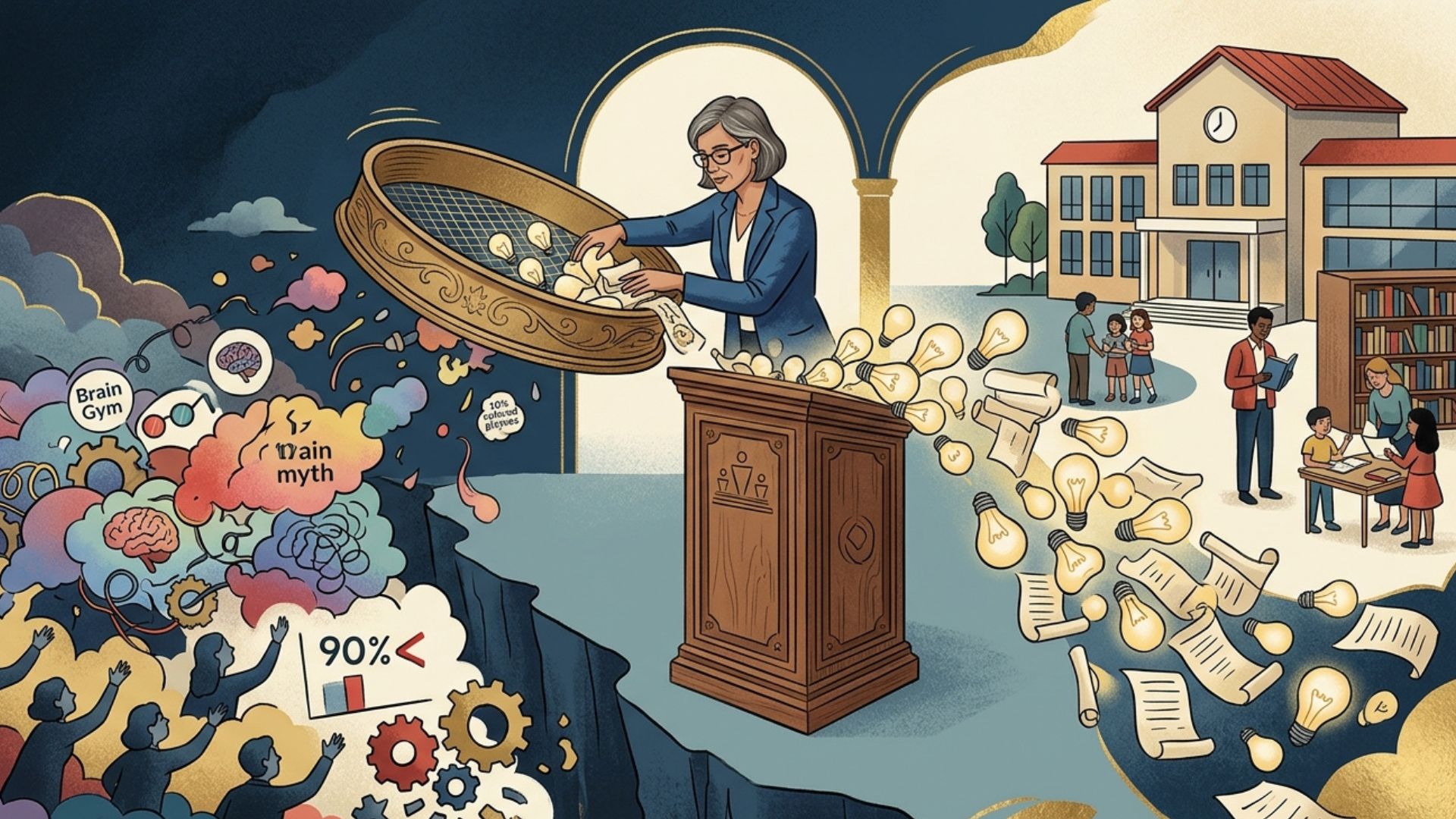
Finally, science provides the critical filters necessary to audit the relentless stream of innovative proposals marketed to educational institutions. Many of these well-packaged initiatives completely lack empirical footing and border on pseudoscience. Examples range from “Brain Gym” and the use of colored overlays or tinted lenses to treat dyslexia—a neurodevelopmental disorder whose origins are phonological, not visual—to the Doman method.
The saturation of neuromyths within the profession remains deeply alarming. Recent studies indicate that over 90% of the educational community still subscribes to the debunked Learning Styles theory (visual, auditory, kinesthetic), despite exhaustive scientific evidence proving it ineffective. Furthermore, over 40% lend credibility to the fallacy that humans utilize only 10% of their brain capacity.
Weaponizing superficial neuroscience to legitimize unproven classroom practices is a constant systemic risk. Advancing toward an authentic evidence-informed paradigm requires equipping school leaders with robust benchmarks and scientific literacy, empowering them to make decisions that truly serve their school communities.
Modern leadership demands filtering empirical evidence from persistent neuromyths. Over 90% of educators still believe in refuted paradigms.
Rate the post
You might be interested